
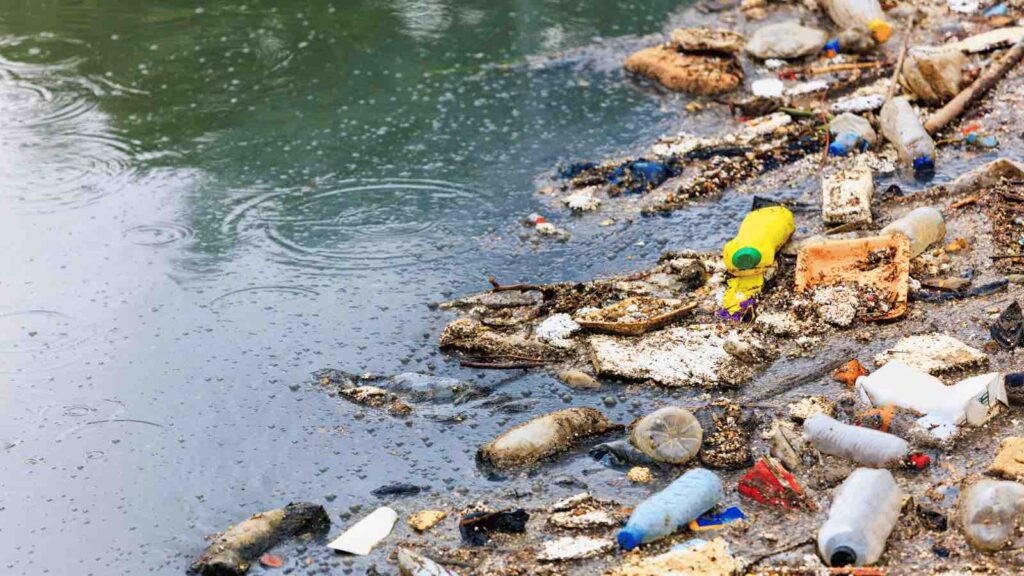

Environmental degradation, increased health risks and the loss of recyclable materials all contribute to what researchers describe as “hidden costs.” Poor waste separation and inefficient handling practices further drive up overall expenses, even if those costs are not immediately apparent to the public.
Malaysians are effectively paying twice for poor waste management — once through taxes and again through hidden environmental and health costs, according to new research insights.
Dr. Keeren Sundara Rajoo, a senior lecturer at Universiti Putra Malaysia, said that solid waste management and public cleansing account for between 40 percent and 80 percent of local authority expenditure. This makes it one of the largest financial burdens on municipal budgets.
“People may not see a separate charge for waste, but they are already paying it through local authority spending,” he said.
The result is a system where costs are both visible — through public funding — and invisible, embedded in everyday life through pollution, health risks and lost economic value.
RELEVANT SUSTAINABLE GOALS
Hidden Costs Extend Beyond Taxes
Beyond government spending, households face additional, less visible burdens tied to inefficient waste systems.
Environmental degradation, increased health risks and the loss of recyclable materials all contribute to what researchers describe as “hidden costs.” Poor waste separation and inefficient handling practices further drive up overall expenses, even if those costs are not immediately apparent to the public.
According to the World Health Organization, poorly managed waste has direct consequences for public health. Communities living near inadequately managed landfills face higher exposure to environmental hazards, underscoring the broader societal impact of waste mismanagement.

Public Spending Trade-Offs Affect Essential Services
High expenditure on waste management also has wider implications for public services.
When a significant portion of municipal budgets is allocated to waste handling, less funding remains available for essential infrastructure such as roads, schools and healthcare facilities. This creates a ripple effect, where inefficiencies in one sector constrain development in others.
The issue, researchers say, is not just about waste disposal but about how resources are allocated across public priorities.
Waste as an Economic and Public Health Issue
Professor Mami Irie of Tokyo University of Agriculture emphasized that waste should be viewed through a broader lens.
“When food and other recoverable materials are wasted instead of being reused or recycled, society loses resources and people ultimately feel the impact in their environment and quality of life,” she said.
This perspective reframes waste from a logistical challenge into an economic and public health issue, highlighting the long-term consequences of inefficient systems.
Recycling Gaps and Lost Resources
A significant portion of waste sent to landfills in Malaysia consists of recyclable materials. However, contamination often renders these materials unusable, reducing their potential value.
Data from the Solid Waste and Public Cleansing Management Corporation shows that inefficiencies in sorting and processing continue to limit recycling outcomes.
In response, SWCorp has introduced initiatives aimed at improving recycling rates and reducing reliance on landfills. These include expanding waste management infrastructure and increasing public awareness campaigns to encourage better separation practices.
Data-Driven Solutions and Ongoing Research
Efforts are also underway to improve waste systems through research and collaboration.
Dr. Rajoo and Professor Irie are working together on a project titled “Towards Zero Food Waste in Bintulu,” which focuses on developing data-driven approaches to waste management.
The initiative aims to identify practical solutions that can reduce waste, improve efficiency and recover value from materials that would otherwise be lost.
Malaysia’s waste management challenge reflects a broader tension between rising consumption and limited system efficiency.
While the financial and environmental costs are significant, researchers point to opportunities for reform. Improving waste separation, strengthening recycling systems and adopting data-driven strategies could help reduce both public spending and hidden costs over time.
For households and policymakers alike, the message is clear: addressing waste management is not just about reducing garbage — it is about protecting public health, preserving resources and ensuring that costs are not quietly passed on to society.
You may also be interested in :
The Methane Gap: Asian Supermarkets Under Scrutiny For Missing Climate Targets