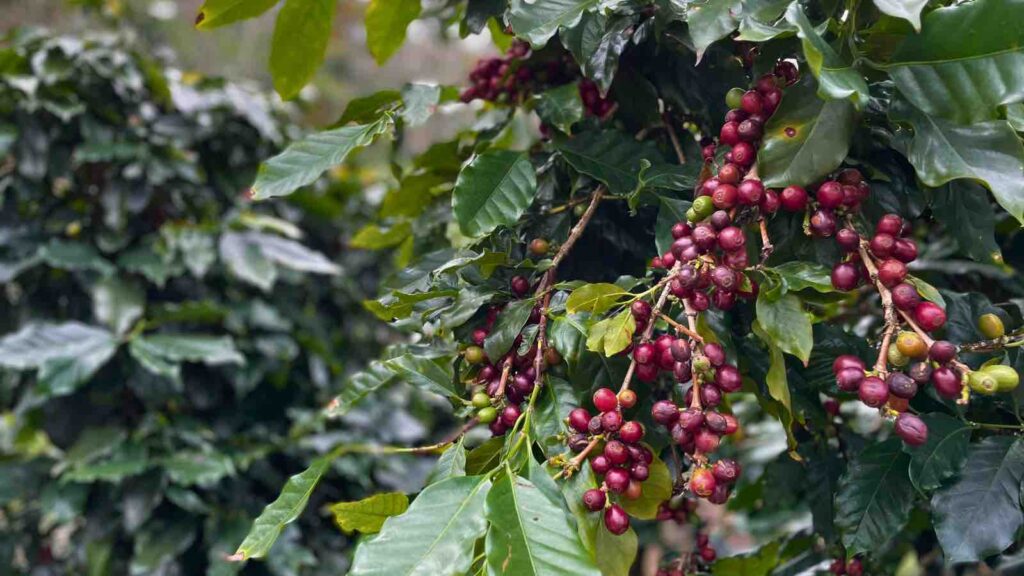
A new analysis of 25 coffee-growing countries found that climate change is adding an average of 47 additional days of harmful heat each year, threatening coffee quality, reducing yields and contributing to volatile global prices.
The findings underscore how rising temperatures — driven by fossil fuel emissions — are reshaping one of the world’s most widely consumed agricultural commodities.
RELEVANT SUSTAINABLE GOALS
57 Extra Hot Days in Top Coffee Nations
The analysis, conducted by the non-profit climate research organisation Climate Central, examined 532 districts across 25 coffee-producing countries between 2021 and 2025. Together, these countries account for about 97 percent of global coffee production.
All 25 countries experienced more coffee-harming heat during the period studied.
The top five coffee-producing nations — Brazil, Vietnam, Colombia, Ethiopia and Indonesia — which together supply 75 percent of the world’s coffee, each experienced an average of 57 additional harmful heat days per year due to climate change.
Brazil, the world’s largest coffee producer, faced an average of 70 extra coffee-harming hot days annually linked to climate change.
Other countries experienced even higher spikes. El Salvador recorded 99 additional harmful heat days, Nicaragua 77 and Thailand 75. India, which accounts for 3.5 percent of global coffee production, saw an average of 30 additional heat days, with Kerala experiencing the highest number within the country.
How the Study Measured Harmful Heat
Climate Central compared actual temperature data from 2021 to 2025 with a hypothetical world without carbon pollution, using its Climate Shift Index. Researchers calculated how many additional days per year climate change pushed temperatures above the coffee-harming threshold of 30 degrees Celsius.
They concluded that these extra heat days would not have occurred without fossil fuel emissions.
Coffee plants thrive within narrow temperature and rainfall ranges. When temperatures exceed 30°C, plants experience heat stress that can reduce yield, affect bean quality and increase vulnerability to disease. These combined pressures reduce both the supply and quality of coffee — contributing to higher global prices.
Arabica More Vulnerable Than Robusta
Arabica coffee plants, which account for 60 to 70 percent of global supply, are particularly sensitive to heat.
Research cited in the report indicates that even temperatures in the 25–30°C range are suboptimal for arabica growth. Sustained exposure above that threshold intensifies stress on plants, compounding risks to production.
Robusta varieties are generally more heat-tolerant, but the broader warming trend affects all major coffee-growing regions.
Record Prices and Volatile Markets
Coffee is one of the most popular beverages in the world, with more than two billion cups consumed every day.
Yet global coffee prices have been volatile in recent years. Prices reached record highs in December 2024 and again in February 2025. Extreme weather has contributed to those fluctuations.
Smaller harvests linked to heat stress and other climate impacts tighten supply, amplifying market volatility.
Small Farmers Bear the Brunt
The impacts of rising heat fall disproportionately on smallholder farmers.
Smallholders account for about 80 percent of global coffee producers and roughly 60 percent of global supply. Yet in 2021, they received just 0.36 percent of the financing needed to adapt to climate change impacts.
The report notes that the average cost of adaptation for a one-hectare farm is $2.19 per day — less than the price of a cup of coffee in many countries.
Without greater adaptation support, researchers warn that up to half of today’s coffee-growing land could become unsuitable by 2050.
A Daily Habit Under Climate Pressure
From Brazil’s vast plantations to smallholder farms in Ethiopia and Indonesia, climate-driven heat is reshaping the geography of coffee production.
The analysis makes clear that rising temperatures are no longer a distant risk. They are already adding dozens of harmful heat days each year across the world’s most important coffee-growing regions.
For consumers, that could mean higher prices and greater volatility. For farmers, it raises urgent questions about resilience, adaptation and long-term viability.
And for a beverage enjoyed billions of times a day, it signals that climate change is no longer abstract. It is in the cup.
An advertising copywriter and an avid novelist. Currently mastering the art of gardening. Her dream is to build her own permaculture farm for sustainable future in her hometown, Bandung, West Java Indonesia.