Philippines Grants Landmark Protection to Coral Hotspot Off Panaon Island
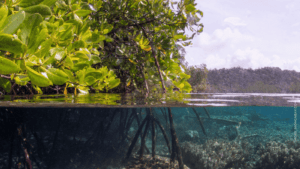
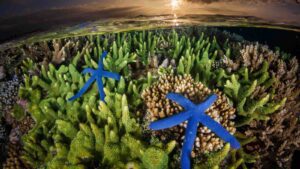
New law safeguards 61,204 hectares of pristine reefs in the Pacific Coral Triangle, hailed as a lifeline for marine life and coastal communities. The Panaon

New law safeguards 61,204 hectares of pristine reefs in the Pacific Coral Triangle, hailed as a lifeline for marine life and coastal communities. The Panaon

Thailand counts 23 coastal provinces and over 3,000 kilometres of coastline. Marine resources are central to livelihoods, contributing to almost 30% of GDP and about

The petition emphasizes Changi Beach’s “irreplaceable biodiversity.” Seagrass meadows, nudibranchs, sea stars and even tiger sea anemones thrive along these shores.

As Indonesia readies its processors and producers for new markets, the rewards are expected to ripple through coastal economies, driving higher incomes, improved standards and greater resilience for fishing communities.

The 30×30 Ocean Action Plan – a call to action for governments and stakeholders to align efforts, scale up protection, and seize opportunities presented by international agreements to close the gap and protect ocean ecosystems critical to climate resilience, food security, and community livelihoods.

Spearheaded by Norway-based Katapult Ocean, one of the world’s leading ocean impact venture firms, the fund marks a strategic pivot to Southeast Asia amid growing

In a historic closing to the third United Nations Ocean Conference, the long-awaited High Seas Treaty has surged closer to becoming international law. With 19 new ratifications secured this week in Nice, the total number of ratifying countries now stands at 50—just 10 short of the 60 needed for the Treaty to enter into force.

he 2025 United Nations Ocean Conference, issuing a collective call for bold, science-backed action to safeguard the planet’s most vital resource — the ocean. The summit, co-hosted by France and Costa Rica, comes at a make-or-break moment for marine ecosystems and coastal nations, especially those across Southeast Asia, where millions depend on the sea for food, livelihood, and climate resilience.

The treaty, adopted in June 2023, requires 60 ratifications to take effect. So far, only 29 countries have done so. The Philippines, while among the 116 signatories, has yet to finalize its ratification.