


Rising premiums and new risk tools signal progress, but Southeast Asia remains heavily underinsured as disasters grow more frequent
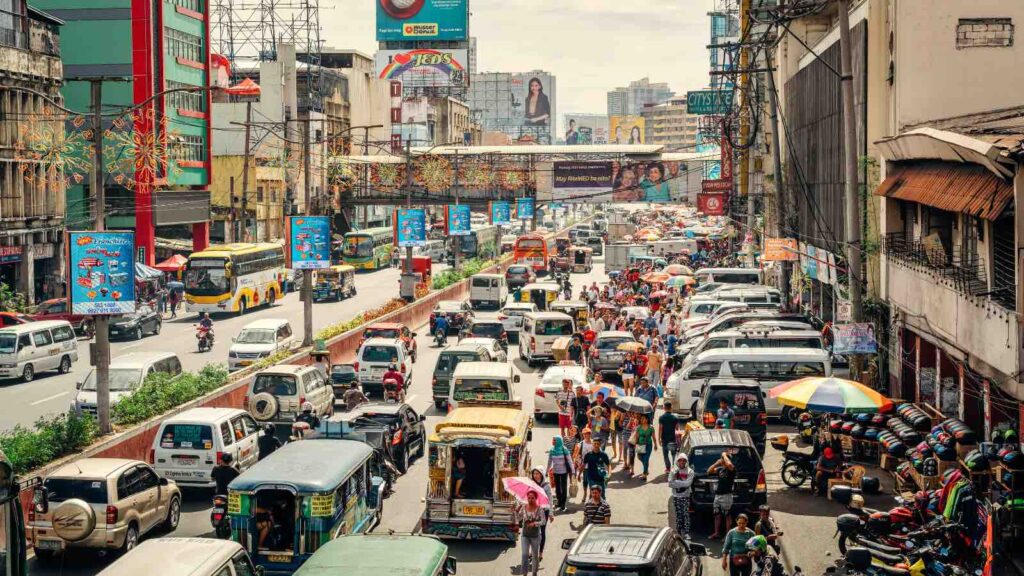
MANILA — As climate-related disasters batter Asia with increasing force, the Philippines is taking measured steps to strengthen its financial defenses, expanding insurance coverage and diversifying catastrophe risk solutions even as the region remains one of the most underinsured in the world.
Insurance penetration in the Philippines rose to 1.85 per cent of gross domestic product in the third quarter of 2025, up from 1.74 per cent a year earlier, according to a report by Aon. While still modest, the increase points to a gradual shift toward formal risk transfer in an economy repeatedly exposed to typhoons, floods and storms.
RELEVANT SUSTAINABLE GOALS
A Gradual Uptick in Coverage
Non-life insurance accounted for 1.1 percentage points of total penetration, reflecting higher demand for property, motor and catastrophe cover. Non-life premiums rose 13 per cent year on year to more than US$1 billion in the third quarter of 2025, compared with US$906.5 million in the same period a year earlier.
The rise coincided with a turbulent weather season across Southeast Asia. Between June and August 2025, Tropical Storm Crising and Typhoons Betty, Isang and Emong struck the Philippines, Vietnam, Thailand, Laos and Myanmar. The storms killed more than 150 people, damaged over 200,000 homes, and destroyed about 480,000 acres of crops, with economic losses estimated at up to US$3 billion.
From late September through November, another series of typhoons — Opong, Nando, Paolo, Tino and Uwan — again hit the Philippines and neighboring countries, causing more than 500 additional fatalities and losses exceeding US$5 billion.

Asia’s Widening Protection Gap
Despite rising premiums in markets like the Philippines, Asia remains the world’s most exposed region to uninsured natural disaster losses. Industry research shows the continent’s insurance protection gap — the share of economic losses not covered by insurance — has reached 82.8 per cent. Latin America follows closely at 81.0 per cent, while North America’s gap stands at 43.2 per cent.
A report from MAPFRE Economics, presented at COP30, underscores the scale of the challenge. Insured losses from extreme weather events have risen 5 to 7 per cent annually since 1992, but overall economic losses have grown faster, driven by climate change, rapid urbanisation and development in high-risk areas.
Ricardo González, director of analysis and regulation at MAPFRE Economics, cited data from the Swiss Re Instituteshowing a steady long-term increase in catastrophe claims. While climate change plays a role, he said rising property values, population growth and expansion into vulnerable zones with weak early-warning systems also contribute significantly.
The Rise of ‘Secondary Perils’
The burden is increasingly driven by so-called secondary perils — floods, droughts and wildfires that occur more frequently but cause damage cumulatively. These events now account for more than half of global disaster-related losses, placing sustained pressure on infrastructure and public finances.
Globally, economic losses from natural catastrophes exceeded US$300 billion in 2024 for the ninth consecutive year, with nearly US$145 billion insured. Analysts expect losses to continue climbing as climate variability intensifies.
South Asia offered a stark example during the 2024 monsoon season, when unprecedented rainfall triggered widespread flooding in India, Bangladesh, Nepal and Pakistan. Analysis by WTW highlighted how climate volatility is straining insurance systems and amplifying social and economic disruption in densely populated cities.
Bridging the Gap
Closing Asia’s insurance gap will require closer coordination between governments and insurers, MAPFRE’s report argues. Risk-sharing frameworks, such as Spain’s Insurance Compensation Consortium, are cited as potential models. Other tools include prevention incentives, improved early-warning systems and parametric insurance, which pays out automatically when predefined triggers are met.
“Without adequate protection and compensation mechanisms, climate risks may become uninsurable or unaffordable,” the report warned.
A separate assessment by the ASEAN Secretariat found wide disparities in disaster risk financing across the region. Indonesia and the Philippines have adopted relatively advanced strategies, including catastrophe bonds and national risk pools. Elsewhere, countries such as Brunei and Cambodia are still building basic disaster management systems.
Insurance penetration remains below 10 per cent in most ASEAN member states, constrained by income levels, financial literacy and limited distribution. Social safety nets also vary sharply: Thailand and Singapore provide broader coverage, while in several countries fewer than 10 per cent of residents are protected against disaster-related financial shocks.
For the Philippines, rising insurance uptake signals a growing recognition that climate risk is no longer an abstract threat but a recurring economic reality. Yet the data also underline the limits of progress in a region where savings and government aid still shoulder most disaster costs.
You may also be interested in :
Manila Submerged: Typhoon Gaemi Exposes Philippines’ Climate Vulnerability