With verified 20.25 MtCO₂e reductions recognized through a $103.8 million results-based payment, Indonesia has translated performance into policy and platforms—REDD+ strategy, SRN-PPI, SIGN SMART, and strengthened institutions—positioning the country to advance 2030 and 2060 climate milestones with transparency, accountability, and continued international partnership.
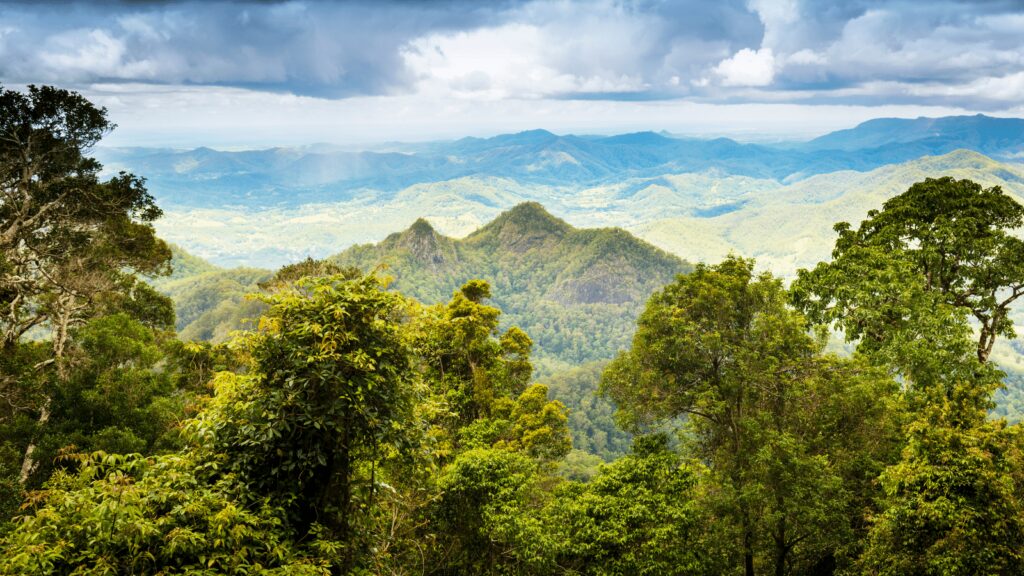
Changemakr Asia – Indonesia has officially concluded a $103.8 million Reducing Emissions from Deforestation and Forest Degradation (REDD+) Results-Based Payment (RBP) project backed by the Green Climate Fund (GCF). The financing was awarded for 20.25 million tons of CO₂-equivalent emission reductions achieved during 2014–2016, marking a milestone in deploying performance-based finance to strengthen national climate action and forest governance.
RELEVANT SUSTAINABLE GOALS
What the Funding Delivered
Implemented by the Ministry of Environment/Environmental Protection Agency (MoE/EPA), the RBP project channeled proceeds—managed transparently by the Environmental Fund Management Agency (BPDLH) in partnership with UNDP—to:
Strengthen Indonesia’s National REDD+ Strategy 2021–2030;
Establish the National Registry System for Climate Change Control (SRN-PPI) and SIGN SMART;
Build institutional capacity at national and sub-national levels.
“The completion of the project demonstrates the success of Indonesia’s performance-based climate approach,” said Rosa Vivien Ratnawati, Secretary General of the MoE/EPA, on Monday (Oct. 6, 2025). “With strong coordination and collaboration, REDD+ management can run effectively and achieve its targets. Indonesia remains committed to reducing emissions by 31.89 percent independently and 43.20 percent with international support by 2030, guided by transparency and accountability.”
Next Milestones: FOLU Net Sink 2030 and Net Zero 2060
Ratnawati added that the project provides a foundation for upcoming goals, including FOLU Net Sink 2030 and the Net Zero Emission 2060 vision. “Climate change mitigation is not only about protecting the planet but also about building a resilient, green, and inclusive future,” she said.
Hermant Mandal, Director for Asia and the Pacific at the GCF, called Indonesia’s achievement “a concrete example of how developing countries can deliver verified results through climate partnerships.” “Indonesia has demonstrated that ambitious climate goals are attainable through strategic collaboration and strong commitment to low-carbon development,” he said. “This is a clear example of Indonesia’s leadership in global climate action.”
A Trusted Partnership Continues
BPDLH President Director Joko Tri Haryanto emphasized social and environmental gains: “It’s not only about preserving forests but also improving community livelihoods. With the support of UNDP, ministries, and partners, this program has created real benefits on the ground.”
UNDP Resident Representative Sara Ferrer Olivella underscored the collaborative model: “This achievement shows that climate targets can be reached when we work together. UNDP will continue to support Indonesia as a reliable partner in environmental governance.”
With verified 20.25 MtCO₂e reductions recognized through a $103.8 million results-based payment, Indonesia has translated performance into policy and platforms—REDD+ strategy, SRN-PPI, SIGN SMART, and strengthened institutions—positioning the country to advance 2030 and 2060 climate milestones with transparency, accountability, and continued international partnership.
An advertising copywriter and an avid novelist. Currently mastering the art of gardening. Her dream is to build her own permaculture farm for sustainable future in her hometown, Bandung, West Java Indonesia.