In anticipation of peak winds, 500 weekend flights were cancelled; airport officials say up to 400 could resume by Sunday afternoon once Wipha moves on, though Sunday night is expected to be “very busy” as as many as 100,000 passengers seek to travel.
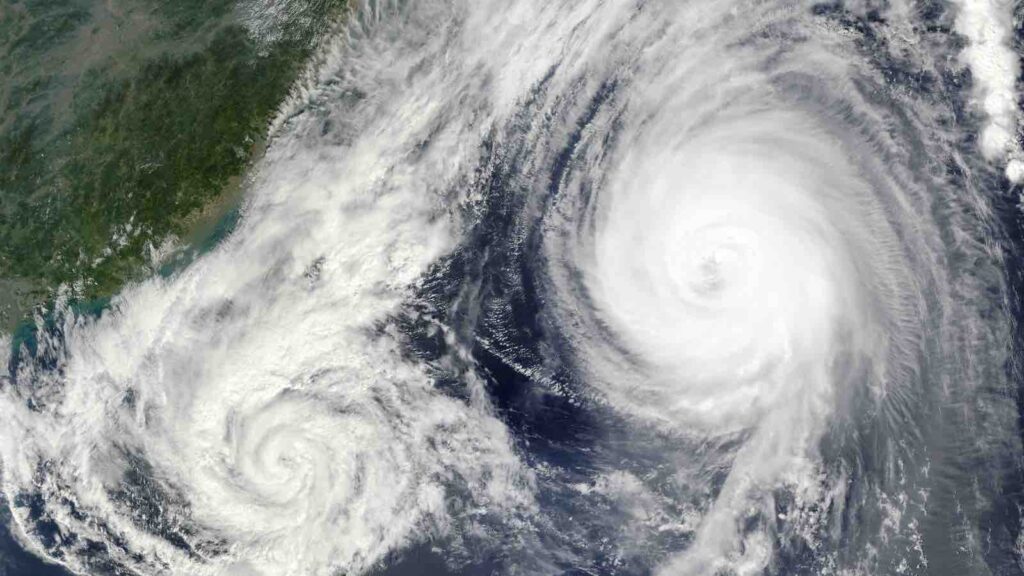
The Hong Kong Observatory escalated its warning to the rare No. 10 hurricane signal at 9:20 a.m. on Sunday (21/07), as Typhoon Wipha intensified into a full typhoon shortly before midnight and threatened to skim just 50 km south of the city around noon. Winds with mean speeds exceeding 118 km/h are expected, prompting widespread transport shutdowns and shelter activations.
RELEVANT SUSTAINABLE GOALS
From No. 8 to No. 10: A Fast-Moving Warning Sequence
At 7:20 a.m., the Observatory raised the No. 9 signal—just seven hours after issuing the season’s first No. 8 warning. By mid-morning, authorities determined Wipha’s strength and proximity warranted the highest-level alert, underscoring the storm’s rapid intensification and the city’s vulnerability to powerful typhoons.
In anticipation of peak winds, 500 weekend flights were cancelled; airport officials say up to 400 could resume by Sunday afternoon once Wipha moves on, though Sunday night is expected to be “very busy” as as many as 100,000 passengers seek to travel. Several MTR lines remain on limited service, while open sections—including the Light Rail and Airport Express—are suspended. Most ferry and bus routes have also been halted. To date, Typhoon Wipha has injured one man, felled two trees and driven 198 residents into government shelters as heavy squally showers persist.
Hong Kong last hoisted the No. 10 signal during Super Typhoon Saola in 2023, when fierce winds caused 86 injuries, triggered landslides and brought down thousands of trees. The comparison highlights the stakes when the city confronts its most severe tropical cyclones.
Adapting for 2050: Infrastructure, Policy and Finance
Experts warn that warming seas and rising air temperatures are reshaping storm patterns. Studies published by AIP.org project that higher sea surface temperatures will drive extreme wind speeds and could double the destructive power of Asian typhoons by century’s end. Numerical simulations foresee more frequent, intense super typhoons with greater mean and peak winds. Meanwhile, projections from The Chinese University of Hong Kong indicate that storm surges comparable to those caused by Typhoon Hagupit may become a yearly occurrence by 2100. Paradoxically, some districts could grow drier, as warmer air accelerates moisture evaporation, according to Earth.Org.
In response to these evolving threats, Hong Kong’s Climate Action Plan 2050 lays out a roadmap to carbon neutrality and resilience. Infrastructure upgrades are reinforcing slopes against extreme rainfall and reducing landslide risks. The financial sector is rolling out green and sustainable finance measures—mandating sustainability reporting and embedding climate risk into lending decisions. While the overall frequency of tropical cyclones may decline, the storms that do make landfall are projected to be more powerful, making these adaptation strategies vital to safeguarding Hong Kong’s communities and economy.
You may also be interested in :
Unclear Climate Adaptation Plans in Asia Hold Back Private Investment, Report Finds