A steep 40.8% CAGR signals a market moving from environmental obligation to strategic infrastructure. With 200 million-plus EVs expected by 2030 and up to 95% material recovery possible, battery recycling is positioned to anchor sustainable mobility, supply resilience, and investment across the clean energy economy.
The global market for electric-vehicle battery recycling is projected to grow at a 40.8% compound annual growth rate (CAGR) from 2024 to 2035, expanding from $570 million today to $24.5 billion, according to Vantage Market Research.
The sector is transitioning from niche operations into a critical pillar of the clean energy economy, Vantage noted. The acceleration tracks with the rapid adoption of EVs worldwide; by 2030, more than 200 million EVs are expected to be on the road globally.
RELEVANT SUSTAINABLE GOALS
Why It Matters: Materials Security and Circular Supply
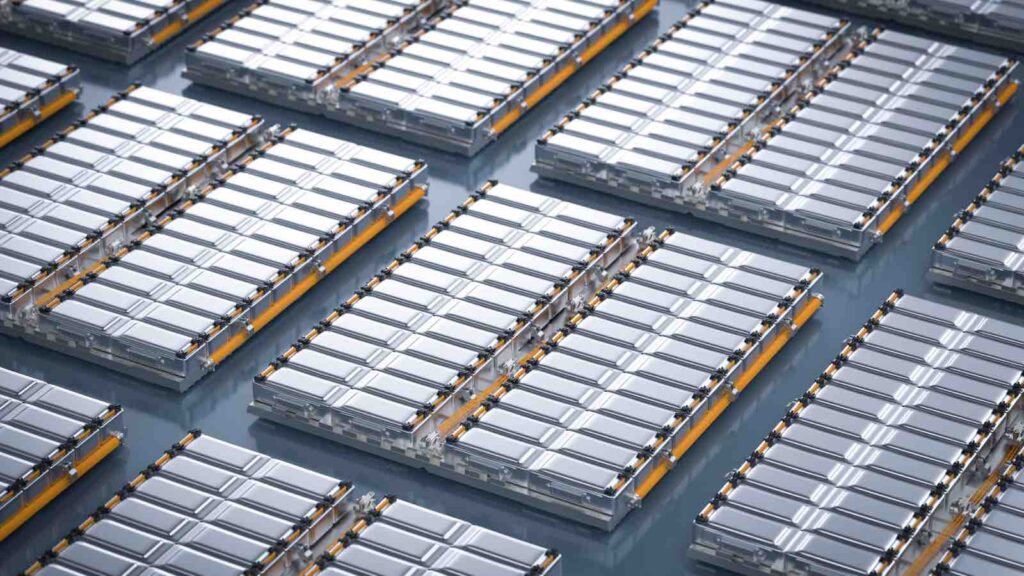
Recycling can recover up to 95% of key battery materials—lithium, cobalt, nickel, and manganese—bolstering critical mineral security as demand soars.
“EV battery recycling is no longer just an environmental compliance activity – it is becoming a strategic pillar of the sustainable mobility and energy economy,”
Nneha Rathod Godbole, founder and CEO at Vantage Market Research
The report highlights recent advances reshaping the sector: Li-Cycle’s hydrometallurgical hubs in North America, Redwood Materials’ expansion in the US, and Umicore’s European mega-recycling facility. Meanwhile, closed-loop partnerships—Tesla–Redwood, Ford–Li-Cycle, Volkswagen–Umicore—are reshaping supply chains.
“The sector has entered a decisive commercialisation phase, unlocking unprecedented opportunities for automakers, energy providers, and investors focused on critical material security,”
Mrudula Shah, lead researcher at Vantage Market Research
- Asia Pacific currently leads the market, driven by large-scale EV manufacturing in China, Japan, and South Koreaand strong government recycling mandates.
- Europe is the fastest-growing region, propelled by strict EU recycling quotas and the European Battery Alliance’spush for closed-loop supply chains.
- North America is scaling quickly, supported by US Inflation Reduction Act incentives, Department of Energy funding, and recycler–automaker partnerships; the impact of the Trump administration’s policies around electric vehicles is yet to be felt.
Read more here.
You may also be interested in :
Malaysia Slashes Green Electricity Tariffs by Up to 80% To Drive Renewable Uptake