Malaysia Slashes Green Electricity Tariffs by Up to 80% to Drive Renewable Uptake

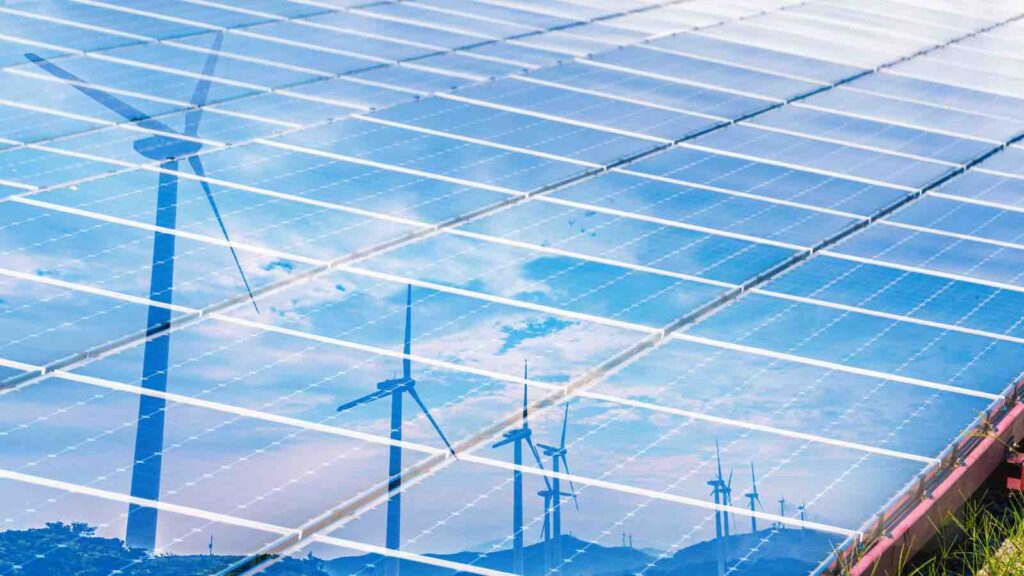
renewable energy conceptual visual. wind power plant and solar power plant. by metamorworks from Getty Images Pro
Under the new electricity-pricing mechanism effective July 2025, PETRA replaced the former tiered GET structure with a single flat rate based on contract duration. 
KualaLumpur, Malaysia – In a sweeping overhaul designed to accelerate the country’s transition to clean power, Malaysia’s Ministry of Energy Transition and Water Transformation (PETRA) has cut its Green Electricity Tariff (GET) surcharge by as much as 80 percent. The move, coupled with a revamped GET GreenPath scheme for large energy users, underscores Kuala Lumpur’s ambition to become a regional low-carbon technology hub.

RELEVANT SUSTAINABLE GOALS 

Flat-Rate GET Replaces Tiered Charges

Under the new electricity-pricing mechanism effective July 2025, PETRA replaced the former tiered GET structure with a single flat rate based on contract duration. Residential and low-voltage nonresidential users who once paid 10 sen/kWh (USD 0.0024) and medium-high-voltage users charged 20 sen/kWh (USD 0.047) will now see uniform surcharges of:
  • 5 sen/kWh (USD 0.012) for one-year contracts
  • 4 sen/kWh (USD 0.0095) for two years
  • 3 sen/kWh (USD 0.0071) for three years
By streamlining to a flat rate, some consumers benefit from reductions exceeding 80 percent, removing complexity and making green electricity more accessible.

Building Confidence with Renewable Energy Certificates

GET operates on a subscription model: participants pay the surcharge atop their regular bills in exchange for government-certified Renewable Energy Certificates (RECs). These certificates validate corporate and household commitments to decarbonization and sustainability. Since its 2021 launch, GET has attracted 3,551 subscribers and delivered 10,500 GWh of green electricity. PETRA credits successive rate cuts—from a 2023 peak of 21.8 sen/kWh (USD 0.052)—with bolstering consumer trust and broadening market uptake.
To further target high-consumption sectors, PETRA introduced GET GreenPath, a tailored scheme for data centers, factories and large industrial users. GreenPath subscribers incur only a 0.2 sen/kWh (USD 0.00047) management fee—symbolic in intent—to remove barriers to renewable procurement. This initiative aligns with Malaysia’s goal of hosting cutting-edge, low-carbon technology facilities.
While GET cuts encourage renewables, Malaysia’s broader pricing reforms have driven up grid tariffs, particularly for data centers. Gary Goh of Sprint DC Consulting warns that a 100 MW facility could absorb USD 15–20 million in additional charges annually. Mahadhir Aziz, President of the Malaysia Data Center Alliance, cautions that escalating costs risk diverting investment to Vietnam and Thailand. In response, operators like Equinix are fast-tracking alternative energy solutions to safeguard competitiveness.
By coupling steep GET reductions with targeted support for heavy users, Malaysia is charting a path toward a blue-sky economy where renewables underpin growth. The simplified flat-rate tariff and GreenPath program not only ease the financial burden of clean energy adoption but also signal to international investors that Malaysia is open for low-carbon business. As subscriptions climb and large-scale consumers shift to renewables, the country’s vision of a regional green technology hub inches closer to reality—balancing economic dynamism with the urgent demands of climate resilience.