Some 252 million years ago, almost all life on Earth disappeared. Known as the Permian–Triassic mass extinction – or the Great Dying – this was the most catastrophic of the…
Since 1970, 73% of global wildlife has been lost, while the world’s population has doubled to 8 billion. Research shows this isn’t a coincidence but that population growth is causing…
The greenhouse effect was discovered more than 150 years ago and the first scientific paper linking carbon dioxide levels in the atmosphere with climate change was published in 1896. But…
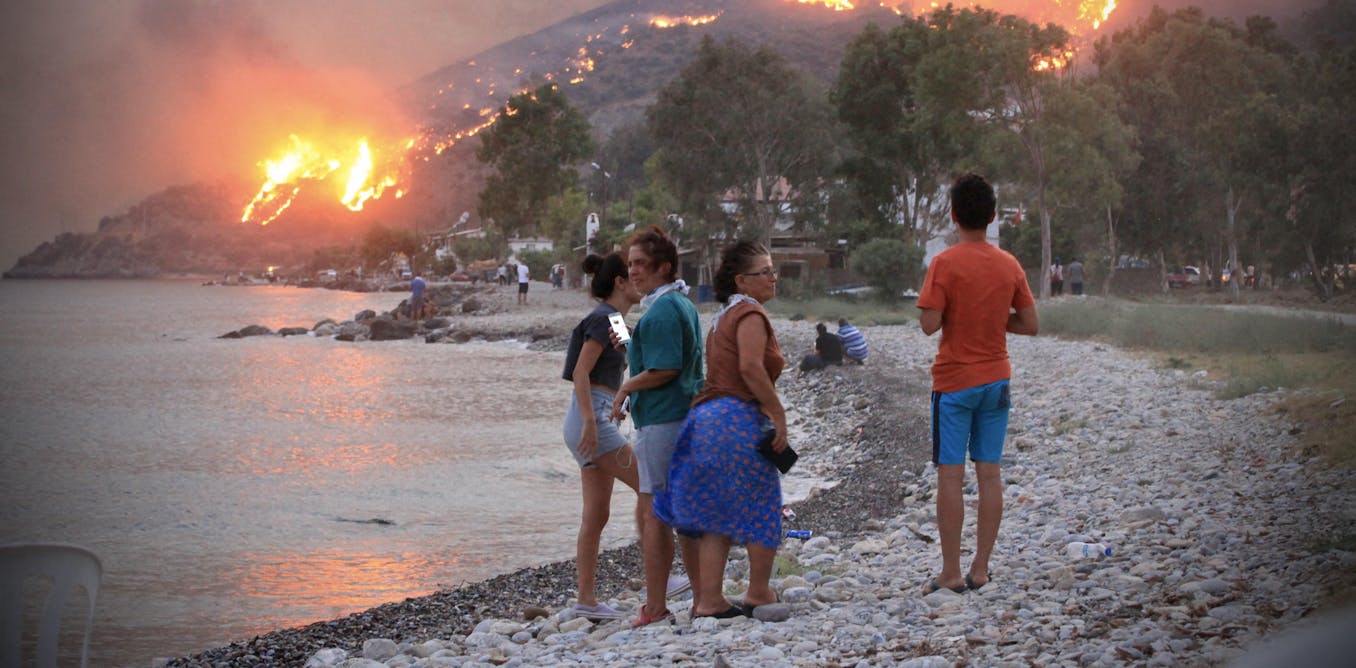
Climate change has made extreme weather events such as bushfires and floods more frequent and more likely in recent years, and the trend is expected to continue. These events have…
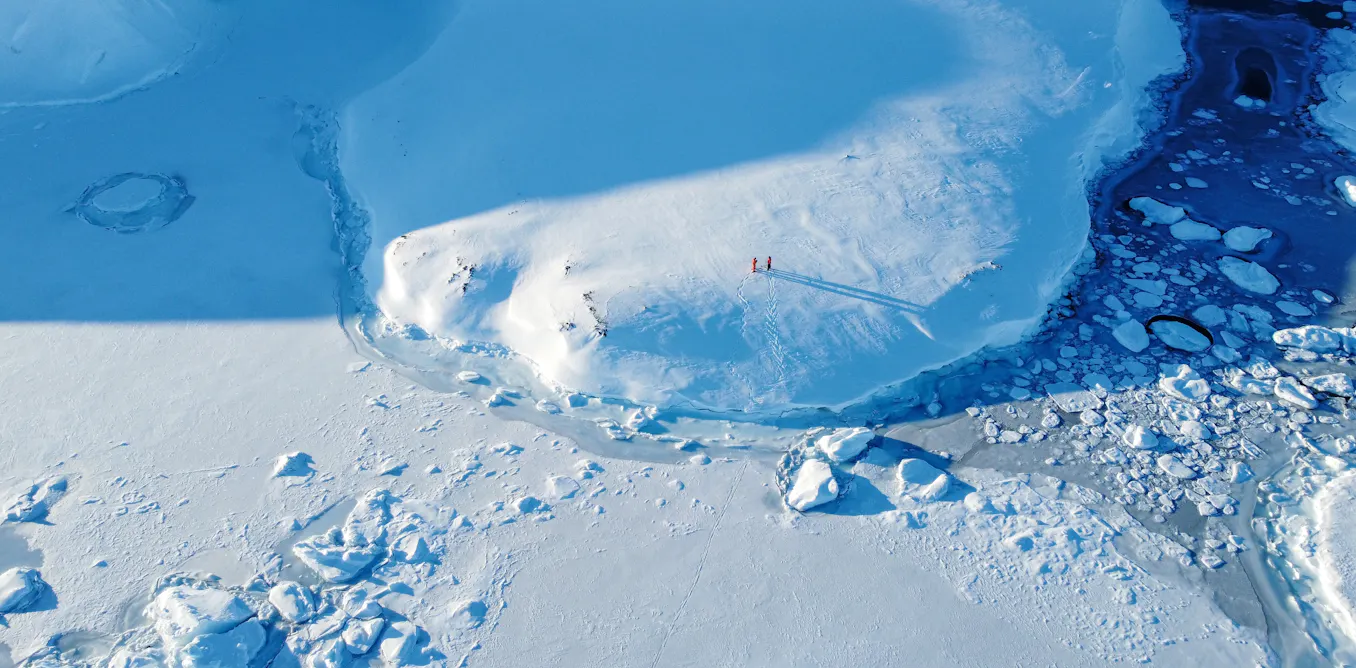
Ice loss in Antarctica and its impact on the planet – sea level rise, changes to ocean currents and disturbance of wildlife and food webs – has been in the…
New research explores the wide-ranging consequences of record low summer sea ice in Antarctica. From more ocean warming to extra icebergs, it’s bad news we must hear...Read More
How do you measure climate change? One way is by recording temperatures in different places over a long period of time. While this works well, natural variation can make it…
Mud is messy. For some, it’s a plaything. To many, it can mean real hardship. Mud, though, is often overlooked, particularly when it lies out of sight. Deep down at…
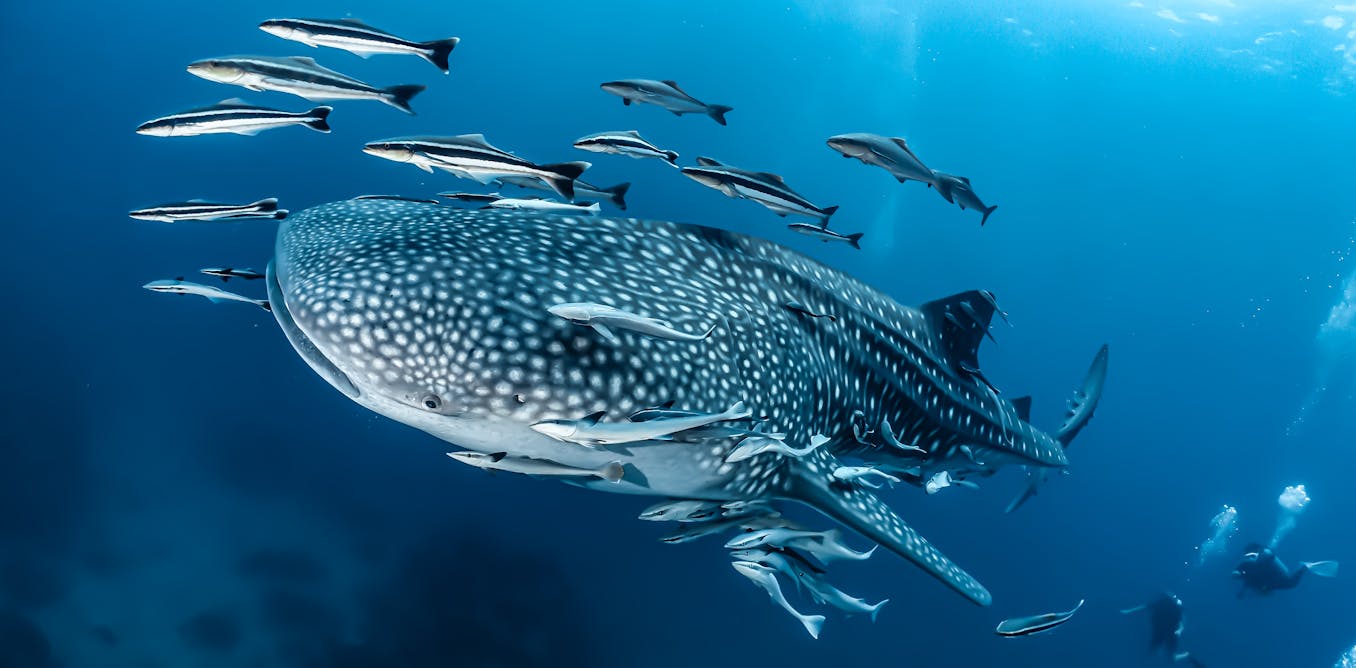
Almost 400 scientists from around the world came together to understand the movements of large marine mammals, using 30 years of satellite tracking data...Read More