

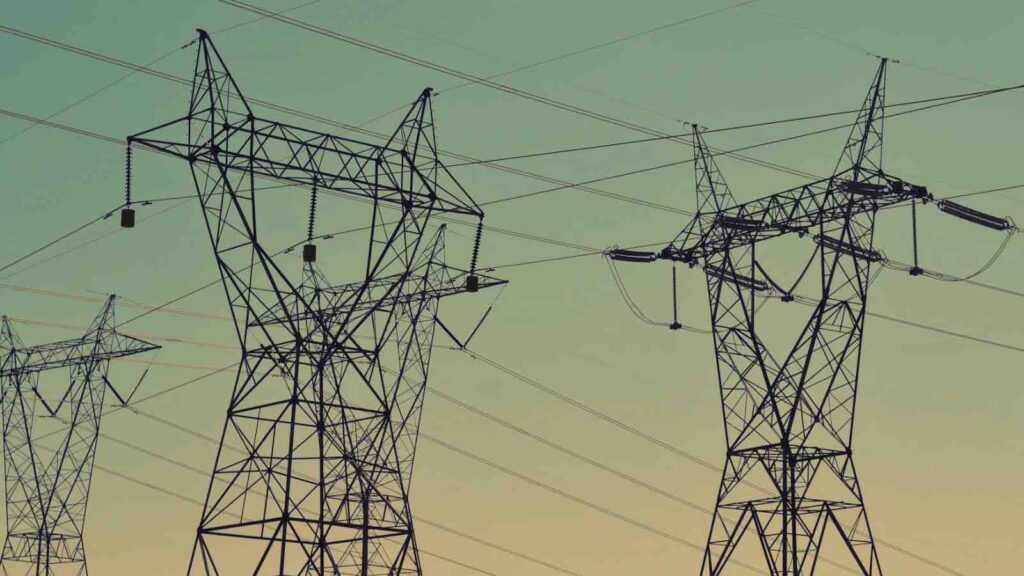

From heat waves to storm surges, climate hazards are already eroding the value and reliability of Asia’s power systems. Losses could jump 33% by 2050 without rapid resilience investment and deep emissions cuts.
Asia’s largest electricity utilities are already absorbing $6.3 billion in annual losses from climate-related hazards — and that figure could climb 33% by 2050 without deep emissions cuts and swift, large-scale investments in resilience, according to Asia Investor Group on Climate Change (AIGCC) and the MSCI Institute. Drawing on asset-level modeling of 2,422 power generation assets owned by 11 major utilities, the Asia’s Powerhouses at Risk report finds climate impacts are no longer hypothetical but a present, escalating financial burden. Beyond direct hits to balance sheets, interruptions to power supply are expected to trigger billions more in lost revenue and economic damage across industries and households that depend on stable, affordable electricity.
RELEVANT SUSTAINABLE GOALS



Heat and extreme rainfall are chronic threats; cyclones and floods deliver acute shocks
The analysis identifies rising heat and heavier rainfall as the most chronic risks, with tropical cyclones and floodinginflicting severe acute damage. Coal-fired plants face acute vulnerabilities: many rely on large volumes of cooling water and are sited on coastlines, exposing them simultaneously to water scarcity, low river flows, storm surges, flooding, and efficiency losses in extreme heat.
While many utilities acknowledge the risks, action remains limited. Of the eight companies that disclosed forward-looking adaptation plans, none reported adaptation-related capital or operational expenditure, and only two set measurable targets. The utilities facing the highest average annual losses are India’s NTPC Ltd, Malaysia’s Tenaga Nasional, and Indonesia’s PT Perusahaan Listrik Negara (PLN). Grouped by jurisdiction, the estimated impact on listed companies’ market capitalization ranges from 3% to 32%.

‘Not a distant threat’: calls to embed resilience
“This analysis has highlighted that climate hazards are not a distant threat — they’re already imposing billions in costs on Asia’s energy companies and their customers,” said AIGCC Chief Executive Rebecca Mikula-Wright. “By embedding resilience into planning and investment decisions, we can protect critical infrastructure, safeguard communities, and ensure reliable energy for decades to come.”
“Assessing physical risk demands a location-specific lens that distinguishes asset-level vulnerabilities and enables targeted resilience strategies,” added Linda-Eling Lee, founding director of the MSCI Institute. “For owners and operators of critical infrastructure, addressing these localized risks is essential for safeguarding long-term value and ensuring continuity of energy systems.”
What utilities should do now :
- Quantify and disclose physical risks: Conduct asset-level, forward-looking assessments detailing assumptions, scenarios, and financial implications.
- Work with governments on resilience: Align protection standards, coordinate adaptation investments, and map interdependent risks.
- Embed adaptation into transition plans: Integrate resilience into decarbonisation strategies and capital allocation, with board-level oversight.
Policy priorities for governments and regulators:
- Strengthen corporate resilience disclosures: Require ISSB-aligned reporting on asset-level risks, financial impacts, and planned adaptation measures.
- Integrate utility risks into national adaptation plans: Define minimum resilience standards and coordinate financing mechanisms.
- Address regional and systemic risks: Use platforms such as ASEAN to support cross-border planning, data sharing, and blended finance.
How institutional investors can bend the risk curve:
- Engage on adaptation governance: Encourage boards to prioritise resilience and support system-wide collaboration.
- Demand greater climate-risk transparency: Push for disclosure of scenario assumptions, financial impacts, and resilience-related capex and opex.
- Tailor engagement to asset-level exposure: Evaluate whether companies’ risk assessments and planned investments match the scale of vulnerabilities.
From heat waves to storm surges, climate hazards are already eroding the value and reliability of Asia’s power systems. Without deep emissions cuts and targeted investments in resilience, the region’s annual losses could swell by a third by 2050. The report’s message is unambiguous: utilities, policymakers, and investors must treat adaptation as core infrastructure — quantified, financed, disclosed, and embedded in every transition plan.
You may also be interested in :
Renewables Overtake Coal as The World’s Biggest source of Electricity