

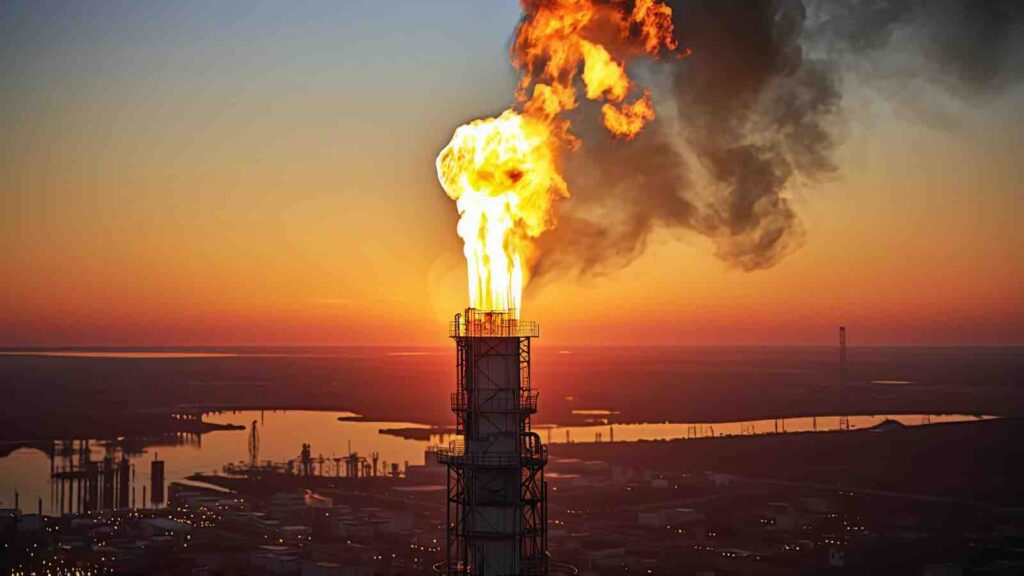

Emergency Measures Proposed to Shield Consumers From Rising Fuel Prices. In a report released on March 20, the agency outlined immediate steps to ease pressure on consumers, including working from home, lowering highway speed limits, increasing public transport use, car-sharing and adopting eco-driving practices.
The International Energy Agency (IEA) has called on governments, businesses and households to reduce energy demand as global oil prices remain above $100 per barrel following supply disruptions linked to the ongoing United States-Israel war with Iran.
In a report released on March 20, the agency outlined immediate steps to ease pressure on consumers, including working from home, lowering highway speed limits, increasing public transport use, car-sharing and adopting eco-driving practices.
The recommendations come after the IEA agreed earlier this month to a record release of 400 million barrels of crude oil from emergency stockpiles, the largest coordinated drawdown in its history.
RELEVANT SUSTAINABLE GOALS


Oil Prices Surge Amid Supply Disruptions
Global energy markets have been volatile since the conflict began on February 28, with oil prices climbing nearly 50 percent.
International benchmark Brent crude traded between $105 and $110 per barrel on March 20, after briefly surging to about $119 earlier in the week following retaliatory strikes.
The U.S. benchmark West Texas Intermediate hovered between $94 and $95 per barrel.
Prices eased slightly after comments by Israeli Prime Minister Benjamin Netanyahu suggesting the war might end sooner than expected and a request from U.S. President Donald Trump urging Israel to avoid targeting Iranian energy infrastructure.
Still, markets continue to swing sharply amid fears that the conflict could trigger a broader energy crisis. On March 19 alone, crude prices jumped nearly 10 percent before settling at $108.65 per barrel, reflecting heightened geopolitical risk.

Millions of Barrels of Supply Taken Offline
According to the IEA, the recent price spike has been driven by severe supply disruptions across the region.
An estimated 10 to 12 million barrels per day of global oil supply — roughly 12 percent of world demand — is currently offline due to strikes on energy facilities and halted exports.
Shipping through the Strait of Hormuz, which normally carries around 20 percent of global oil and gas flows, has also been significantly constrained.
While emergency stockpile releases are intended to stabilise markets, the agency warned that supply-side interventions alone will not fully protect consumers from rising energy costs.
“We have recently launched the largest ever release of IEA emergency oil stocks and are in close contact with key governments around the world as part of our international energy diplomacy,” said IEA Executive Director Fatih Birol. “Today’s report provides a menu of immediate and concrete measures that governments, businesses and households can take to shelter consumers from the impacts of this crisis.”
Demand-Side Actions Could Deliver Quick Relief
The IEA said reducing oil demand could play a critical role in stabilising prices and strengthening energy security.
Among the suggested measures:
- Encouraging remote work to reduce commuting fuel use
- Lowering highway speed limits by at least 10 km per hour
- Shifting travellers from private vehicles to public transport
- Expanding car-sharing and eco-driving practices
- Limiting business air travel where alternatives exist
The agency also recommended diverting liquefied petroleum gas (LPG) use away from transport to prioritise cooking needs and promoting electric cooking solutions where feasible.
Industrial sectors could contribute by switching petrochemical feedstocks where possible and implementing short-term efficiency improvements to reduce oil consumption.
Electrification Seen as Long-Term Shield Against Oil Shocks
Beyond immediate measures, the IEA emphasised the importance of accelerating the transition to electric mobility as a structural response to volatile oil markets.
Transport accounts for nearly half of global oil consumption, making it a key target for demand reduction strategies.
The agency urged governments to speed up the adoption of electric vehicles, particularly two- and three-wheelers, and expand charging infrastructure to reduce reliance on imported fuels.
Faster electrification of road transport, the report said, would help cushion economies from future energy shocks while improving long-term energy security.
Gas Markets Also Hit by Conflict
The turmoil has extended beyond oil into global natural gas markets.
European gas prices surged as much as 35 percent on March 19 and remained more than 15 percent higher the following day after missile strikes hit energy infrastructure in the Gulf.
The attacks reportedly damaged liquefied natural gas facilities at the Ras Laffan industrial complex in Qatar, the world’s largest LNG hub, destroying two LNG trains and potentially reducing export capacity by around 17 percent for three to five years.
Iran struck the facility a day after Israel targeted the South Pars Gas Field, the world’s largest natural gas field shared by Iran and Qatar.
Analysts estimate that damage to Qatari infrastructure could remove around 80 million tonnes per year of LNG from global supply in the near term.
Inflation Risks and Economic Pressures Rising
Energy disruptions are already affecting broader economic conditions.
European gas prices have doubled since late February, while the European Central Bank warned that the conflict could have a “material impact” on inflation depending on its duration.
Financial markets are now pricing in eurozone inflation approaching 4 percent over the next year, raising expectations of further interest rate increases.
An official at the International Monetary Fund estimated that every sustained 10 percent rise in oil prices could increase global inflation by 0.4 percentage points while reducing economic output by 0.1 to 0.2 percent.
Emerging Economies Face Heightened Exposure
Countries heavily dependent on imported fuel are particularly vulnerable.
India, for example, imports roughly 88 percent of its crude oil, about half of its natural gas and nearly 60 percent of its LPG, much of it historically sourced from West Asia.
The country is now experiencing one of its most severe cooking gas supply disruptions in decades.
Authorities have directed refiners to maximise LPG production and reduce supplies to industrial users in order to prioritise household consumption.
While alternative sources have helped stabilise crude imports, tighter gas availability is beginning to affect commercial and industrial activity.
Damage to critical energy infrastructure, including the Pearl GTL facility, has forced analysts to reassess recovery timelines.
Production has remained halted since March 2, with force majeure declared on March 4, removing significant LNG volumes from global markets.
Market expectations had initially assumed a short disruption and a controlled restart restoring supply by mid-2026. However, analysts now warn that a more prolonged outage could further tighten supply and keep prices elevated for longer.
As governments and international agencies work to stabilise energy markets, the IEA’s latest recommendations highlight the growing importance of both immediate demand-side actions and long-term structural changes in navigating an increasingly uncertain global energy landscape.
You may also be interested in :
Laos Cuts EV Fees and Raises Petrol Car Charges As Energy Crisis Forces Policy Shift