

New Certification Scheme Aims to Boost Recycling, Reuse and Green Government Procurement.
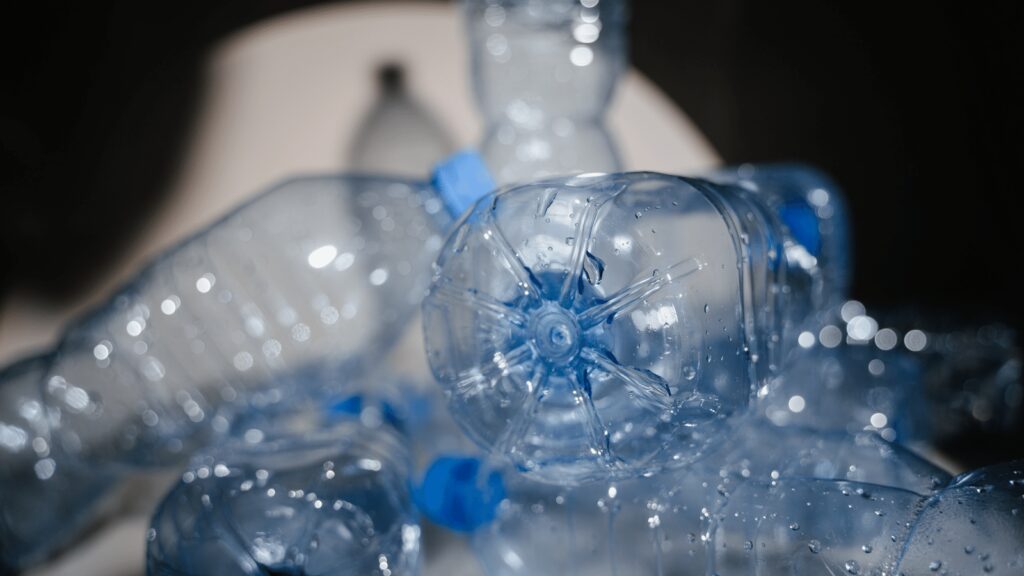
Taiwan will roll out a new voluntary “circular label” scheme in March, targeting plastics, textiles and other selected products as part of its broader push toward a 2050 circular economy.
The environment ministry said the flexible certification program is designed to encourage companies to adopt resource-efficient production and recycling practices, while giving certified products priority in government procurement.
The move marks a shift from traditional waste management toward a more comprehensive circular economy system, where materials are reused, repaired and recycled rather than discarded.
RELEVANT SUSTAINABLE GOALS
A More Flexible Alternative to Eco Labelling
Unlike Taiwan’s existing eco labelling program, which follows strict international standards and assesses multiple environmental impacts, the new circular label will focus primarily on resource circularity.
Officials said the requirements will be more flexible. Products with lower recycled content thresholds will be eligible, as long as they meet circular design and reuse criteria.
In its first phase, the program will accept applications from manufacturers in four categories:
- Plastic goods
- Textile products
- Refillable glass containers
- Circular services, including packaging reuse systems
The draft guideline was discussed at a government meeting in early February.

Lower Recycled Content Thresholds for Textiles
Under the current eco label, textile products must contain at least 50 percent recycled material for fabrics and more than 90 percent for yarns.
By contrast, the new circular label will require between 5 percent and 20 percent recycled content for textiles. Products must also incorporate design features that facilitate recycling, such as single-material construction.
The shift signals an effort to broaden participation, allowing more manufacturers to enter the circular economy framework while still promoting improved material recovery.
Certification Requirements for Plastics, Glass and Circular Services
Plastic and glass products seeking certification must demonstrate refill or reuse models through official waste-management reporting systems.
Circular service providers — including container rental and cleaning businesses, reusable packaging systems, and the recirculation of IT equipment and furniture — must submit documentation detailing sanitation procedures, durability and repairability.
Certification will be valid for three years and may be renewed once. After that, companies must reapply to ensure continued compliance.
Government Procurement to Drive Market Demand
Products bearing the circular label will receive priority in government procurement.
Taiwan aims to expand green purchasing to NT$160 billion (US$5 billion) by 2030, accounting for 10 percent of total public procurement.
The environment ministry has already begun pilot measures. These include sourcing uniforms made from recycled materials and adopting circular service models for certain office equipment.
Officials view public procurement as a key lever to accelerate market adoption of circular products.
Environmental Groups Call for Stronger Transparency
Environmental organizations welcomed the initiative but urged authorities to establish clearer long-term targets and strengthen transparency measures.
Tseng Tzu-chun, project manager at the Taiwan Environmental Information Association, suggested introducing a graded system to distinguish products based on recycled content or overall circular performance. Such a system, she said, would help consumers better understand environmental benefits.
She also recommended adopting digital product passports similar to those under development in the European Union. These tools would track a product’s lifecycle from design to disposal.
Other groups raised questions about whether small local businesses operating refill systems would qualify for certification, and whether standards might eventually extend to specialized packaging such as pharmaceutical blister packs.
The government-backed Resource Circulation Administration said the initial rollout will focus on guidance and promotion. Regulators will conduct periodic inspections to reduce the risk of greenwashing.
Officials added that the scheme will gradually expand to cover additional industries and business models, including packaging-free shops and local refill services.
Part of Taiwan’s 2050 Circular Economy Roadmap
The circular label initiative builds on Taiwan’s draft 2050 Circular Economy Roadmap, released last October and scheduled for finalization this year.
- The roadmap sets ambitious targets:
- Doubling resource productivity
- Reducing per-capita material use by about 30 percent
- Increasing the island’s circularity rate to 2.5 times its 2020 level
The strategy also shifts policy focus from conventional waste management to a full circular economy system.
As Taiwan prepares to launch the new label in March, the government is positioning circular production and consumption not as a niche environmental practice, but as a core pillar of its long-term economic and industrial transformation.
If effectively implemented, the scheme could reshape how products are designed, purchased and reused — turning resource efficiency into both a policy priority and a market signal.
You may also be interested in :
Taiwan Unveils 2050 Circular Economy Roadmap, Eyes ASEAN Collaboration