
Read more about the article Scientists Reveal ‘Concerning’ Levels of Microplastics in Commonly Consumed Seafood
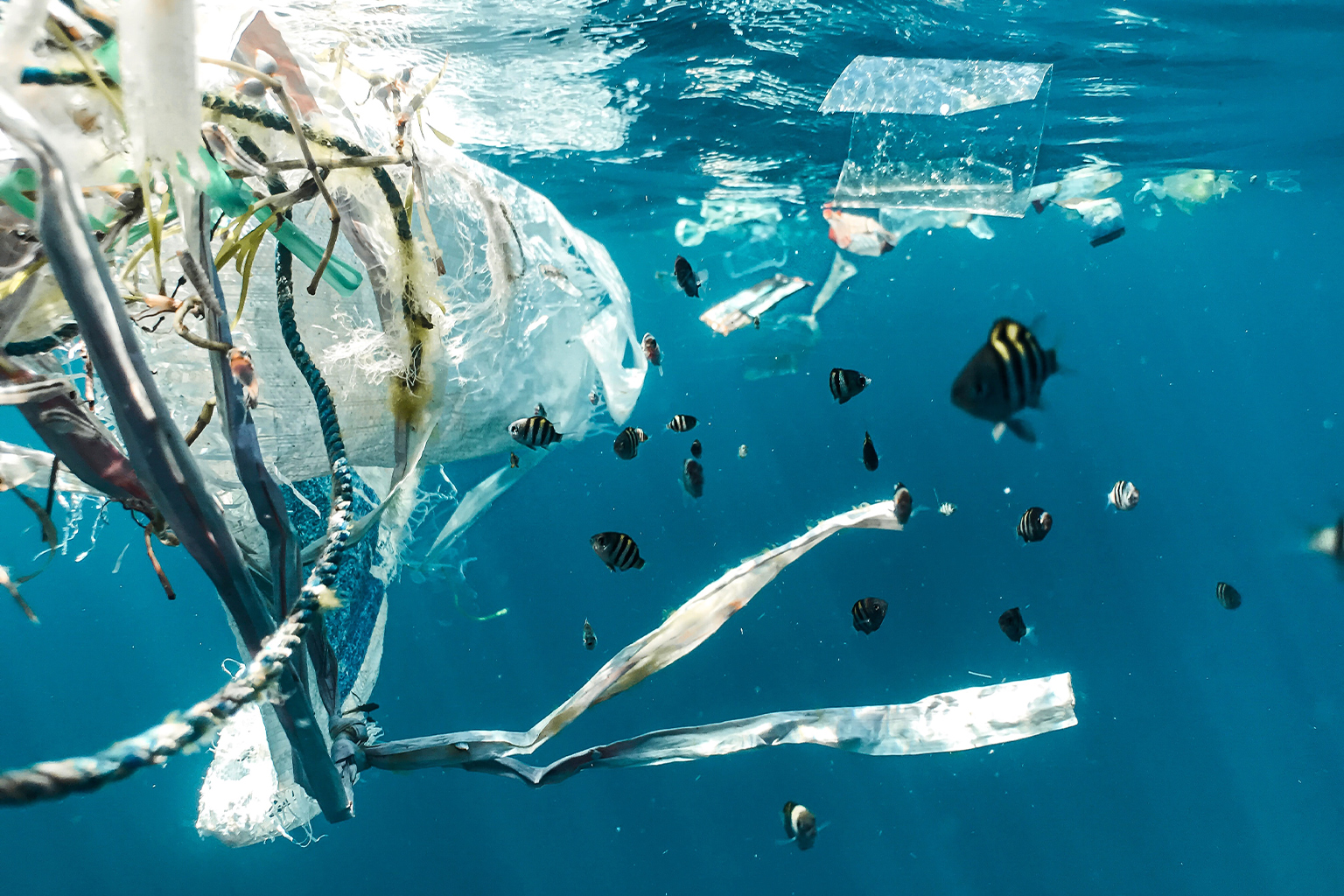
Plastic pollution and juvenile fish in Indonesia. Research suggests that 52% of the world’s turtles have eaten plastic waste, according to WWF. Image by Naja Bertolt Jensen via Unsplash.

Scientists Reveal ‘Concerning’ Levels of Microplastics in Commonly Consumed Seafood

From Pacific herring to pink shrimp, 180 out of 182 specimens were found to contain microplastics and microfibers. Pink shrimp, notorious for their filter-feeding habits, bore the highest concentrations, while Chinook salmon had the least—but none were entirely free of contamination.

Continue ReadingScientists Reveal ‘Concerning’ Levels of Microplastics in Commonly Consumed Seafood

Genetic diversity within many species is declining globally, according to a recently published study. “Any threat that reduces the size of a population, or which causes a larger population to…

Continue Reading

The Arctic region has shifted from storing carbon dioxide to releasing it into the atmosphere, according to the 2024 Arctic Report Card released by the U.S. National Oceanic and Atmospheric…

Continue Reading