

Aligned Energy has signed two memoranda of understanding with Indonesian partners to develop large-scale sweet sorghum plantations and biomass-to-fuel projects. The initiative combines renewable energy production with land rehabilitation, focusing on former mining areas in Indonesia’s Riau archipelago.
A Singapore-based bioenergy company is moving into Indonesia with plans to scale biofuel production while restoring degraded land, marking a new phase in regional clean energy collaboration.
Aligned Energy has signed two memoranda of understanding with Indonesian partners to develop large-scale sweet sorghum plantations and biomass-to-fuel projects. The agreements represent the company’s first major push since its formation in 2024.
The initiative combines renewable energy production with land rehabilitation, focusing on former mining areas in Indonesia’s Riau archipelago.
RELEVANT SUSTAINABLE GOALS

Sweet Sorghum Emerges as a Versatile Biofuel Source
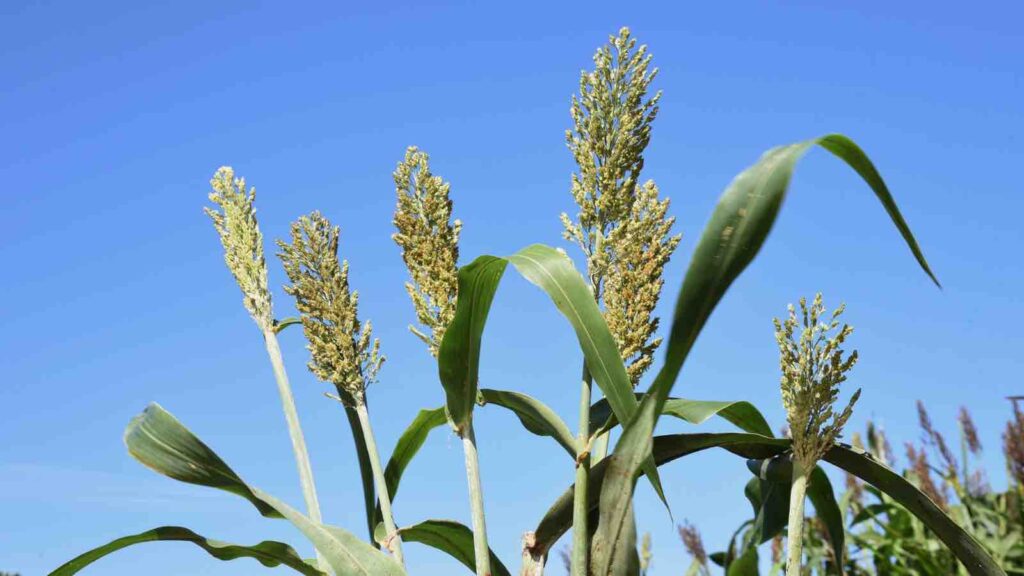
At the center of the strategy is sweet sorghum, a fast-growing crop that can be used as biofuel and produces lower emissions than traditional diesel.
The plant also serves as a feedstock for bioethanol and as “green” naphtha, a key ingredient used in plastics that is currently in short supply due to the Iran war. This versatility positions sweet sorghum as both an energy and industrial resource at a time when global supply chains are under strain.

Plans to Transform Depleted Mining Sites in Bintan
Under its first agreement with PT Beon Parama Energi, Aligned Energy plans to cultivate sweet sorghum on degraded land left behind by mining activity.
The company aims to develop around 2,000 hectares of plantations in Bintan and nearby islands such as Kelong. Over a 10-year period, the broader project targets production of up to 500 million litres of green diesel across multiple sites.
The initiative is being positioned not only as a renewable energy project but also as a contribution to mining companies’ regreening obligations. PT Beon Parama Energi is partly backed by fuel distribution firm Parama Energi and Capitol Group, a Jakarta-based conglomerate involved in property, plantations and trading. The company is led by founding director Firman Suryadi.
Expanding Into Integrated Biomass-to-Fuel Systems
A second memorandum of understanding with PT Cipta Jagat Lestari broadens the project’s scope.
This partnership focuses on integrated biomass-to-fuel systems and includes plans to establish collaborations with major national energy players. PT Cipta Jagat Lestari, an Indonesian advisory and investment firm, will play a role in coordinating early-stage development.
“Our role is to de-risk early-stage development by aligning stakeholders across land access, feedstock aggregation, permitting, and strategic partnerships,” said Yoga Adhi Prabowo, the firm’s president director.
Despite its ambitions, the project remains in its early stages.
Aligned Energy has yet to develop plantations at commercial scale and currently operates only a test site in Kijang, Bintan. The company has secured letters of intent from potential buyers but has not yet signed binding offtake agreements.
The next phase will depend on securing investment and scaling operations beyond pilot projects.
Aligning With Indonesia’s Biofuel and Energy Strategy
The partnerships align with Indonesia’s broader push to strengthen energy security and accelerate the transition to lower-carbon fuels.
Indonesia is already one of the world’s largest biofuel markets, driven primarily by palm oil derivatives. The government has made biofuels central to its strategy to reduce reliance on imported diesel while supporting domestic agriculture.
A new timeline announced by the energy ministry requires biodiesel users to shift to a B50 standard by 2028, meaning fuel blends will contain 50 per cent palm oil-based components.
The projects are part of a wider transformation of the Riau archipelago into a clean energy hub.
The region has been the focus of cross-border renewable energy initiatives, including a recent S$50 million deal to export hydrogen and solar power to Singapore.
At the same time, the transition has not been without challenges.
Land Use Tensions Highlight Broader Development Risks
Efforts to develop large-scale energy and industrial projects in the region have sparked tensions with local communities.
The Rempang Eco-City project, a glass and solar development covering 7,000 hectares near Batam, has faced protests amid reports of forced evictions.
These tensions underscore the complexity of balancing economic development, environmental restoration and community interests.
Aligned Energy’s entry into Indonesia reflects a broader shift in how renewable energy projects are being designed.
By combining biofuel production with land restoration and rural supply chains, the company is positioning its projects at the intersection of energy security, environmental recovery and economic development.
As global energy markets remain volatile, initiatives like these highlight how countries and companies are exploring new pathways to reduce dependence on fossil fuels while creating alternative sources of growth.
You may also be interested in :
New Study : Community Biofuels Could Help Indonesia Meet Energy Goals Without Ecological Damage