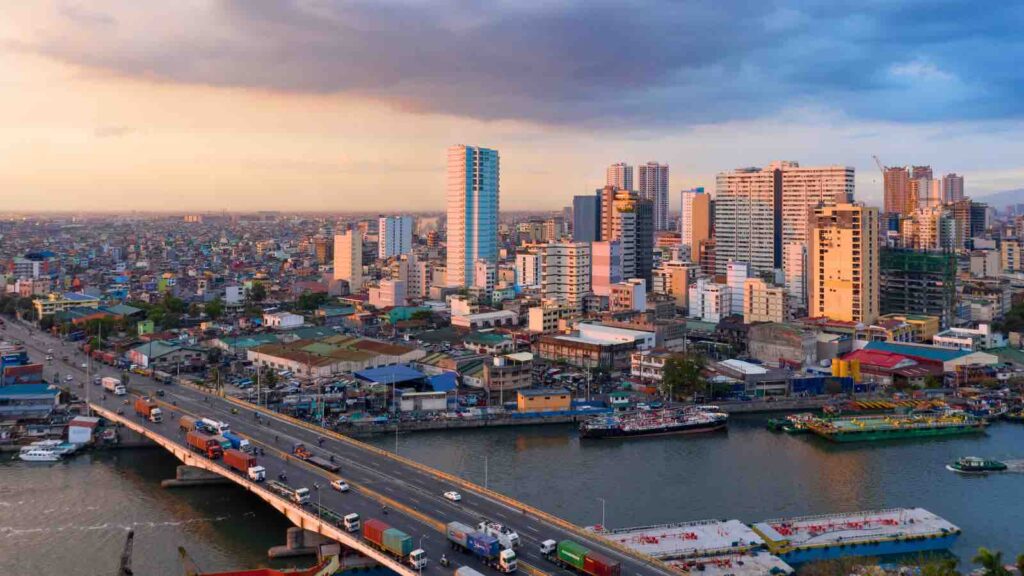
By advancing inclusive growth, community investment, and eco-friendly operations, the Philippines is charting a tourism future that balances prosperity with protection—ensuring visitors can experience the country’s natural beauty and cultural diversity while helping sustain them.
The Philippines is embracing a tourism model designed to benefit both people and planet—placing sustainability, social equity, and climate action at the center of its growth strategy.
RELEVANT SUSTAINABLE GOALS
Marking World Tourism Day on Saturday, September 27, the government underscored the theme “Tourism and Sustainable Transformation.” In a statement, the Department of Tourism (DOT) stressed urgency and intent:
The challenges we face highlight the importance of sustainable transformation—one that strengthens communities, preserves our natural and cultural legacies, and creates lasting opportunities. By embracing responsible development, eco-friendly practices, and inclusive growth, the Philippines is paving the way for tourism to be both a driver of prosperity and a protector of the future.”
Centering Communities—and Honoring Front-Liners
The DOT expressed deep gratitude to Filipino tourism front-liners and stakeholders, crediting their dedication for positioning the Philippines among top travel destinations. The emphasis is on inclusive growth—empowering local communities, particularly marginalized groups, through education, employment, and active participation in tourism.
The country highlights a path where tourism drives economic prosperity while safeguarding natural resources and cultural heritage. Experts agree that tourism can foster cultural exchange, social integration, and development—but also warn that unmanaged growth risks overtourism, environmental degradation, and cultural erosion.
Three Pillars for a Durable Tourism Economy
1) Education and Skills Development
The strategy prioritizes training for women, youth, and underserved communities—building capacity to manage tourism’s impacts on environment, culture, and local economies, and strengthening long-term resilience.
2) Support for MSMEs
Backing micro, small, and medium-sized enterprises—often community-based—helps promote local culture, embed responsible practices, generate jobs, and ensure that the benefits of tourism are broadly shared.
3) Climate Action and Biodiversity Conservation
Tourism planning puts climate action up front: reducing emissions from travel and hospitality, conserving biodiversity, protecting fragile ecosystems, and prioritizing water and energy efficiency alongside waste reduction.
The message is dual-edged: tourism holds transformative potential, but requires careful management so destinations remain livable, authentic, and ecologically secure. Responsible practices, the government notes, allow tourism to help address climate change and economic inequality rather than exacerbate them.
The Philippines’ focus on sustainable practices, social equity, and environmental stewardship aligns with global callsto transform tourism. The intent is a sector that reduces environmental impact, expands opportunity, and contributesto broader climate goals—creating a more resilient industry for generations to come.
By advancing inclusive growth, community investment, and eco-friendly operations, the Philippines is charting a tourism future that balances prosperity with protection—ensuring visitors can experience the country’s natural beauty and cultural diversity while helping sustain them.