Indonesia’s Industry Starts to Pivot From Coal, Eyes Cleaner Energy, DBS Says

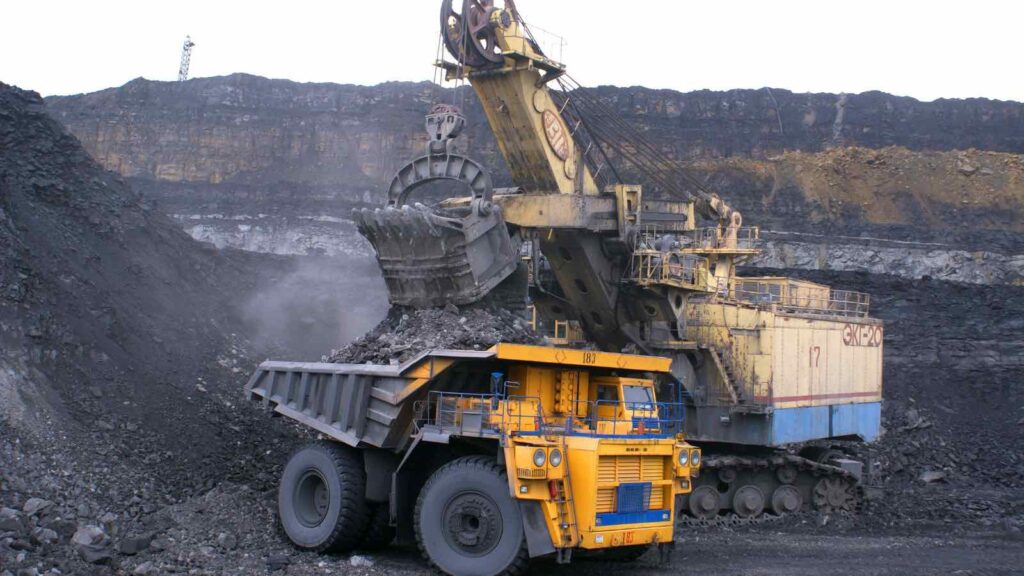
Excavator in Coal Mine by stafichukanatoly from pixabay
The government’s plan sets a clean-leaning trajectory—76% of capacity additions from EBT and storage—while retaining 6.3 GW of coal through 2034 to secure system reliability and honor existing obligations.
Indonesia’s industrial sector is thinking in transition, with companies increasingly seeking to replace coal with cleaner energy sources, according to Bank DBS Indonesia. “We notice they see alternatives to coal, and gas is the option most frequently discussed,” said Anthonius Sehonamin, Head of Large Corporate Institutional Banking Group at PT Bank DBS Indonesia, during a media briefing on Wednesday (Nov. 26).

RELEVANT SUSTAINABLE GOALS 

RUPTL 2025–2034 targets 69.5 GW, with 76% from clean energy and storage

The government’s Rencana Usaha Penyediaan Tenaga Listrik (RUPTL) 2025–2034, presented by the Ministry of Energy and Mineral Resources (ESDM) in May 2025, raises planned capacity additions to 69.5 gigawatts (GW)through 2034. Of that, 76% comes from renewables (Energi Baru Terbarukan/EBT) and storage. The composition breaks down as:
  • 42.6 GW EBT (61%)
  • 10.3 GW storage (15%)
  • 16.6 GW fossil (24%)
While momentum is building toward cleaner power, coal cannot be dropped immediately, industry stakeholders note, given the binding national plan for 2025–2034. In the latest RUPTL, coal-fired power (PLTU) additions total 6.3 GW through 2034.
DBS underscored that consistency of energy supply remains paramount for industry. Renewables can vary, unlike coal’s steady output at relatively affordable prices. That reliability gap is central to why coal is still present in the current plan, even as companies explore gas and cleaner alternatives.

Government rationale: changing global signals and existing coal contracts

Energy and Mineral Resources Minister Bahlil Lahadalia linked the continued presence of PLTU projects to shifts in global net-zero consensus. He cited the example of a country that helped initiate the Paris Agreement then exited the pact. He also pointed to ongoing coal sales contracts with European countries, noting that some nations promoting renewables continue to request Indonesian coal.
“If they still use coal, why force us to stop using it?” he said at a press conference (May 26).
Officials described coal’s role in supporting the system when EBT output is low, particularly at night. In this framing, coal can act as a “starter” or backup, used in combination with batteries, so that the share is limited while helping manage intermittency during the transition.
DBS sees Indonesian industry increasingly evaluating cleaner energy pathways, particularly gas, even as coal persists in the near term under the RUPTL. The government’s plan sets a clean-leaning trajectory—76% of capacity additions from EBT and storage—while retaining 6.3 GW of coal through 2034 to secure system reliability and honor existing obligations.