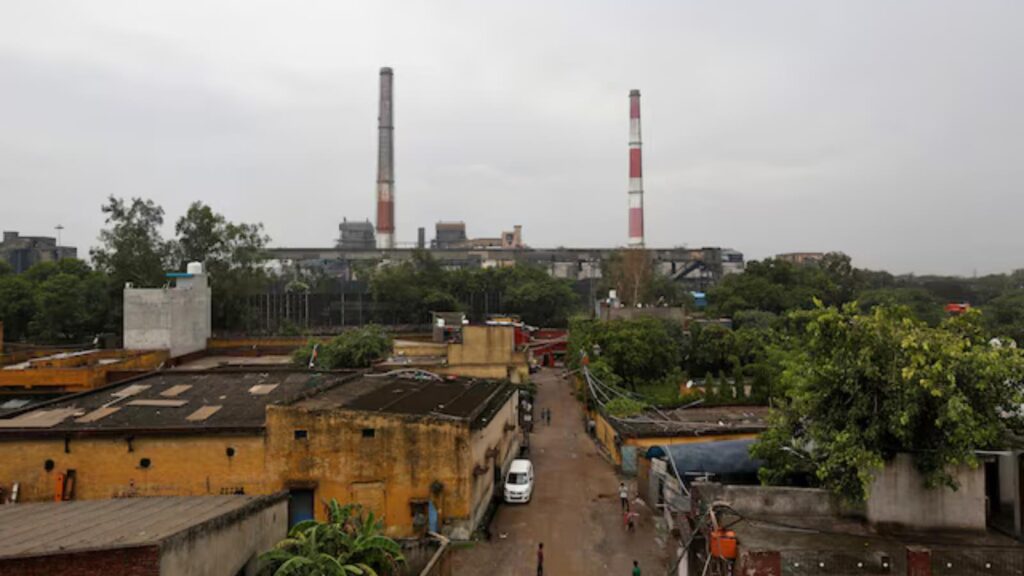
India’s power-sector CO₂ emissions fall for only the second time in 50 years, clean-energy surge signals possible peak before 2030.
India’s power-sector carbon dioxide emissions have declined for only the second time in half a century—an inflection point that a new analysis says could place a peak before 2030 if clean-energy capacity and electricity demand grow as expected.
RELEVANT SUSTAINABLE GOALS
A Rare Drop, Amid Rising Demand
The report—by the Centre for Research on Energy and Clean Air (CREA) for Carbon Brief—finds power-sector emissions fell around 1% year-on-year in the first half of 2025 and 0.2% over the past 12 months, even as electricity demand continued to grow. Excluding the pandemic-driven decline in 2020, this marks just the second recorded drop in about 50 years. One study author called it “a striking signal that India’s rapid clean energy build out is beginning to bend the emissions curve.”
For the first time, clean-energy capacity additions outpaced electricity demand growth, preventing coal and gas generation from rising further. In the first half of 2025, India installed 25.1 gigawatts (GW) of new non-fossil power capacity, a 69% jump versus the same period last year. That new capacity is expected to produce nearly 50 terawatt-hours (TWh) annually, nearly matching the increase in overall power demand.
Weather Helped; Hydro Filled the Gap
Milder weather and prolonged rainfall reduced peak consumption—especially from air conditioners—while higher hydro generation helped fill the demand gap. Total electricity output rose, even as fossil-based generation fell, cutting emissions while demand increased.
The analysis warns that emissions from steel and cement continue to rise sharply, up 7–10% year-on-year in the first half of 2025 amid surging construction and infrastructure activity. Oil demand growth flattened after strong gains in previous years. “While the power sector is beginning to show signs of peaking emissions, industry remains a major challenge,” the report said, urging accelerated electrification, green hydrogen and carbon capture.
Pipeline Points to a Pre-2030 Peak
India now has about 234 GW of non-fossil capacity in the pipeline, including 169 GW already contracted, 145 GW under construction and 65 GW under tender, along with 5.2 GW of nuclear power capacity under construction. If all planned projects are completed, India would be within touching distance of its 500 GW non-fossil power capacity target for 2030, needing only around 18 GW more. The report says this puts the country on track to peak power-sector emissions before 2030, reshaping its climate trajectory and strengthening its global negotiating position.
The analysis flags parallel plans for around 80–100 GW of new coal capacity by 2030–32, driven by concerns over grid reliability, peak loads from air conditioning during heat waves, and evening ramping challenges as solar’s share grows. Demand-side uncertainties from weather and the economy could also decide whether clean-energy additions keep outpacing demand. And if industrial emissions continue to climb, national emissions may still rise even if the power sector peaks.
Experts described the turning point as a catalyst to accelerate clean energy and push industrial decarbonisation. “The trend is encouraging, but locking in new coal would risk reversing the gains. India has shown that clean power can carry demand growth—this momentum must be sustained,” the study noted.
A modest decline—around 1% in the first half of 2025—carries outsized meaning: clean-power additions are now substantial enough to hold down fossil generation. The path to a pre-2030 peak in power-sector emissions is visible. Keeping it in view will depend on sustaining clean-energy buildout, managing grid reliability without locking in new coal, and tackling the industrial emissions that are still climbing.
You may also be interested in :
India’s Solar Surge: Policy, Trade Winds, and A Global Pivot To Renewable