
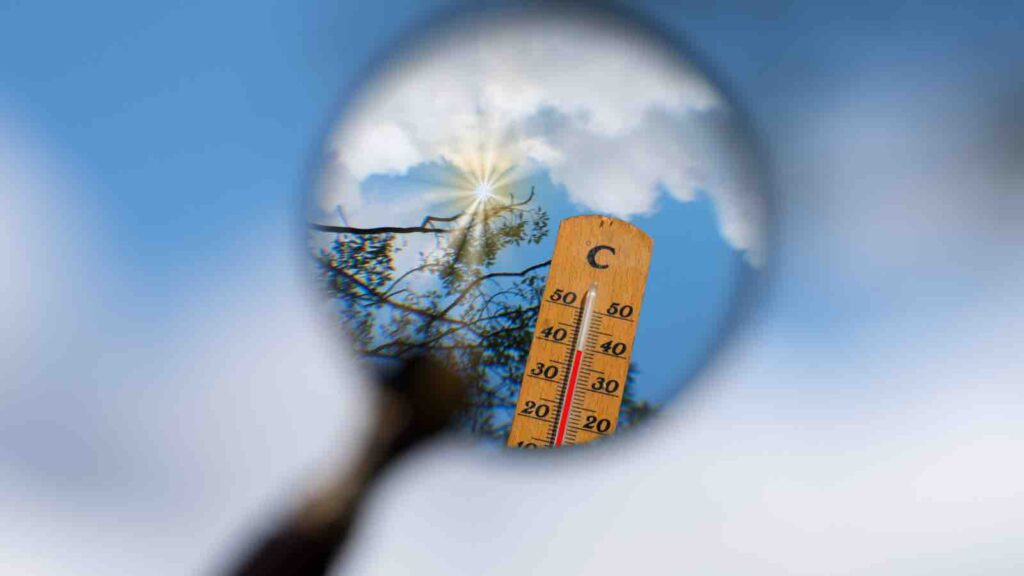

Changing weather patterns seen as trigger for health conditions like Arthritis.
Climate change is increasingly being identified as a contributing factor in the global rise of chronic inflammatory diseases, with emerging examples from communities in China highlighting how environmental shifts are shaping everyday health risks.
In Zhuhai, a rapidly growing coastal city near Hong Kong, environmental advocate Yang Xuehong began noticing the pattern firsthand. In 2024, she hired an air-conditioning technician and offered their services for free while accompanying them door to door to conduct informal climate-risk interviews with residents.
Many people shared a similar experience: their arthritis symptoms worsened during stormy or changing weather conditions.
“We don’t stick too rigidly to the questionnaire,” said Yang, founder of the Zhuhai Root, Stem and Leaf Environmental Protection Promotion Centre. “We just go with the flow of the conversation.”
Her nonprofit initially focused on promoting low-carbon lifestyles. But in 2024, it shifted its attention toward local climate adaptation, after community health records revealed a significant increase in arthritis-related hospital visits since 2020.
Yang’s team began describing arthritis as a “climate-sensitive condition.”
RELEVANT SUSTAINABLE GOALS
Non-Infectious Diseases Increasing Alongside Climate Stress
Scientific research is increasingly linking climate change not only to infectious disease outbreaks but also to non-infectious inflammatory disorders.
One study reported a 14 percent global increase in arthritis between 1990 and 2020, identifying climate change alongside diet and stress as key contributing factors.
Recent multinational reviews and meta-analyses have also connected climate pressures to rising prevalence of allergic diseases and immune-mediated conditions such as asthma.
Health scientists say these disorders are part of a broader trend affecting global populations.
According to Ioana Agache, professor of allergy and clinical immunology at Transylvania University in the United States, chronic inflammatory conditions are rising “in parallel at an epidemic rate.”

These include allergies, asthma, allergic rhinitis, metabolic disorders such as diabetes and obesity, inflammatory bowel diseases, neurological conditions including Alzheimer’s disease, mental health disorders and certain cancers.
Researchers link these health challenges to shared biological mechanisms such as systemic microinflammation, immune-system dysregulation and disruptions to the body’s protective barriers, including the skin, lungs, gut and nasal pathways.
A “Second Wave” of Inflammatory Disorders
Agache describes a second major wave of chronic inflammatory diseases beginning in the 2000s, coinciding with increased exposure to climate-related stressors such as extreme weather events and wildfires.
This period also saw the emergence of new pathogens and growing environmental exposure to microplastics and nanoparticles, which researchers believe may contribute to immune and inflammatory responses.
The first wave of such disorders had been identified in the 1970s, a period associated with increased pollution, fast-food consumption and widespread use of certain chemical additives.
Climate Policies Often Overlook Noncommunicable Diseases
Despite mounting evidence, health experts say climate action plans frequently fail to adequately address noncommunicable diseases.
At the COP30 climate conference in Brazil, civil society health networks called for deeper emissions cuts and stronger funding for climate adaptation, particularly in the Global South.
However, the conference did not include a dedicated negotiation track focused on health issues.
Although the United Nations Framework Convention on Climate Change (UNFCCC) requires countries to consider health impacts in national adaptation plans, implementation remains uneven.
By May 2025, only 27 countries had developed national health adaptation plans, according to the World Health Organization.
Among the 59 countries that submitted broader national adaptation plans, noncommunicable diseases were among the least frequently mentioned risks, while extreme weather events and vector-borne diseases received the most attention.
“Prioritising mitigation and adaptation measures for noncommunicable diseases is a huge unmet need,” Agache said.
China’s Adaptation Efforts Highlight Implementation Challenges
China offers a case study of the complexities involved in translating climate-health research into policy action.
The 2025 Lancet Countdown Report found that local climate-health adaptation efforts face significant challenges. Among Chinese provinces surveyed, 77 percent reported insufficient multisectoral coordination, 67 percent cited funding shortages, and 53 percent identified gaps in surveillance systems and climate-risk assessment technologies.
Public health experts argue that adaptation strategies should focus more on preventative, “upstream” interventionsrather than solely addressing the consequences of climate impacts.
Lu Hui, deputy chief physician at a public hospital in Guangdong province, said public education can play a vital role. Simple measures, such as encouraging elderly residents to use air conditioning during heatwaves, may reduce risks before health emergencies occur.
Focusing only on downstream responses, she noted, can result in “half the result with twice the effort.”
China’s National Climate Adaptation Strategy 2035 acknowledges the need to better understand the complex and far-reaching impacts of climate change on ecosystems and socio-economic systems, including at the local level.
The country’s National Climate Health Adaptation Plan (2024–2030) also identifies proactive adaptation as a priority.
Community Initiatives Filling Knowledge Gaps
Across China, grassroots organizations are increasingly addressing climate-related health risks within their communities.
Yang’s questionnaire, developed using an IPCC climate risk framework and community response materials, reflects a growing effort to translate global research into local action.
She says many residents recognise that weather changes affect their health but rarely connect these experiences to broader climate trends.
“They know rain triggers their pain,” she said. “They know this pain is linked to weather changes. But they rarely ask bigger questions like: Why is the climate changing? How does this relate to me?”
As climate pressures intensify, researchers and community leaders alike are emphasizing the importance of linking scientific evidence, public awareness and local adaptation strategies.
The emerging understanding that climate change may be shaping patterns of chronic disease underscores the need for integrated responses — combining emissions reductions, stronger health systems and community-based adaptation — to address one of the defining public health challenges of a warming world.
You may also be interested in :
Women’s Health Remains Vasty Underfunded, New GlobaL Report Warns