Cambodia Keeps More Than 70,000 Cubic Metres of Wastewater From Waterways Each Day, Environment Ministry Says

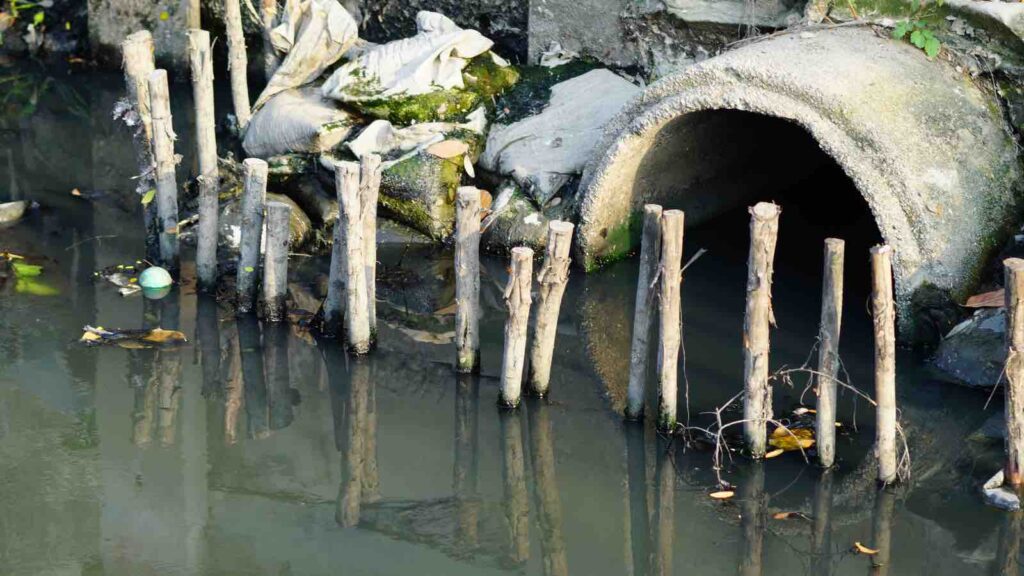
Wastewater by Supersmario from Getty Images Signature
More than 2.27 million cubic metres of untreated wastewater were prevented from reaching natural water sources in July 2026. 
PHNOM PENH — Cambodia prevented more than 2.27 million cubic metres of untreated wastewater from being discharged into natural water sources and the environment during July 2026, according to the Ministry of Environment, as authorities continue efforts to control industrial pollution and protect public health.
 
The ministry said it is currently overseeing the management of approximately 73,235 cubic metres of wastewater each day, ensuring the wastewater is not released beyond business premises where it could contaminate public and natural water sources across the country.
 
The ministry said the results reflect its continuing efforts to enforce environmental laws, curb pollution and safeguard public health under the government’s environmental sector strategy.
 
In particular, the work supports the strategy’s first pillar, which focuses on maintaining the cleanliness of Cambodia’s water, land and air.

RELEVANT SUSTAINABLE GOALS 

64 Companies and Factories Install Automatic Monitoring Systems

According to the ministry, 64 companies, factories and enterprises have installed automatic wastewater discharge monitoring systems.
 
The equipment is required under Article 178 of Cambodia’s Environment and Natural Resources Code.
 
The ministry expressed appreciation to business owners, factory operators and enterprises for cooperating with environmental regulations by installing the automated wastewater monitoring equipment.
 
It said the cooperation is helping reduce wastewater discharges into natural water sources, contributing to the protection of public health and the preservation of a clean environment in Cambodia.

More Than 35 Million Cubic Metres Managed Since January 2025

The scale of wastewater covered by the monitoring effort extends beyond the figures recorded in July.
 
From January 2025 through the end of July 2026, the ministry said it prevented a total of 35,235,003 cubic metres of wastewater from companies, factories and industrial facilities from being discharged into natural water bodies.
 
During the first seven months of 2026 alone, from January through July, authorities monitored and prevented 15,160,730 cubic metres of wastewater from polluting the environment.

Wastewater Controls Target Public and Natural Water Sources

The ministry’s daily oversight covers approximately 73,235 cubic metres of wastewater, with the aim of keeping it within business premises rather than allowing untreated discharges to reach public and natural water sources.
 
The effort forms part of the government’s broader environmental strategy to enforce existing rules while reducing pollution that could affect both communities and the natural environment.
 
By combining environmental regulation with automated monitoring at companies, factories and enterprises, the ministry is seeking to prevent industrial wastewater from entering waterways before contamination occurs.

Cambodia Links Pollution Enforcement to Public Health

The ministry said the wastewater management results demonstrate the role that environmental enforcement can play in protecting public health while maintaining cleaner natural surroundings.
 
Its figures show more than 2.27 million cubic metres of untreated wastewater kept from natural water sources and the environment during July, while the cumulative amount prevented from entering natural water bodies since January 2025 has surpassed 35 million cubic metres.
 
The ministry credited cooperation from businesses, factories and enterprises that have complied with environmental regulations and installed automated monitoring systems.
 
That cooperation, it said, is helping Cambodia reduce wastewater discharges into natural water sources while advancing efforts to protect public health and preserve a clean environment.