

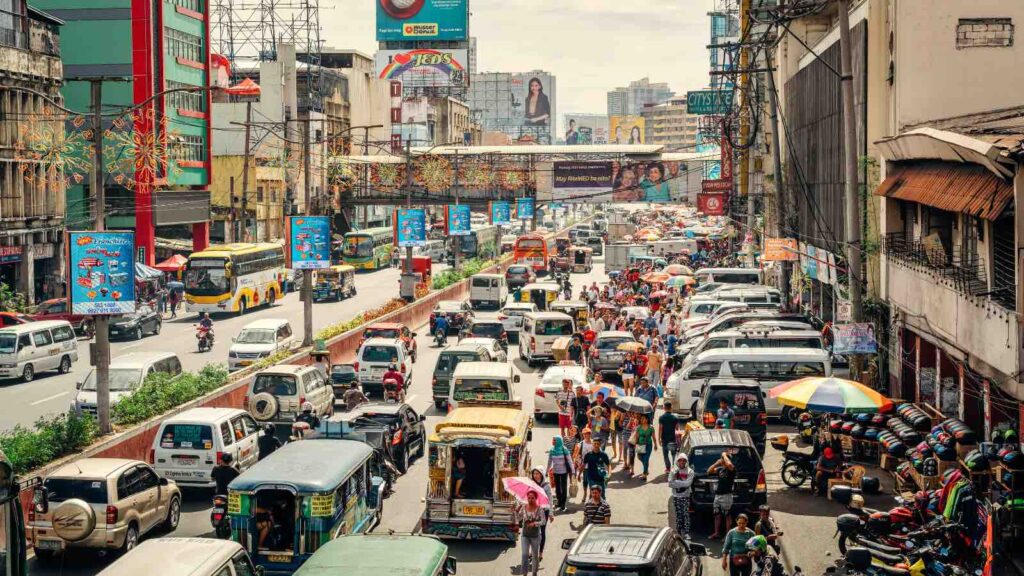

Our Extreme heat could expose 74 million Filipinos by 2050, threatening livelihoods, health and economic growth.
MANILA — Rising temperatures are pushing millions of Filipinos, particularly farmers and fisherfolk, into what Greenpeace Philippines describes as a growing climate poverty trap, with a new report warning that extreme heat is becoming one of the country’s most pressing climate and socioeconomic challenges.
The report, Here Comes the Sun: Climate Justice-Based Recommendations for Protecting Communities from Extreme Heat, says the Philippines is among the countries most vulnerable to rising global temperatures. It highlights how extreme heat is imposing severe health, economic and social costs on communities while disrupting education, labour, agriculture, fisheries and overall well-being.
According to the report, around 11 million Filipinos could be exposed to extreme heat above 42 degrees Celsius by 2030. That number is projected to rise to 74 million by 2050.
RELEVANT SUSTAINABLE GOALS
Heat Stress Emerges as a Major Climate Threat
The report identifies heat stress as one of the most damaging consequences of climate change.
Heat stress occurs when the body’s ability to cool itself is overwhelmed by environmental conditions such as high temperatures, humidity and physical exertion. Greenpeace says the effects extend well beyond public health, affecting livelihoods, education systems, food production and social welfare.
The report points to the disruption already experienced in schools. During the 2023-24 academic year, between 22 and 24 school days were lost because of extreme heat, prompting the Philippines’ first nationwide heat-related class suspensions.
Rising Temperatures Carry Mounting Economic Costs
Greenpeace says the economic consequences of rising temperatures are becoming increasingly significant.
The Philippine Atmospheric, Geophysical and Astronomical Services Administration (PAGASA) estimates that the country’s average temperature has increased by 0.6 degree Celsius over the past three decades.
Without stronger adaptation measures, the World Bank projects that climate change could reduce the Philippines’ gross domestic product by 7.6 per cent by 2030 and 13.6 per cent by 2040. According to the report, heat-related productivity losses are expected to become the second-largest contributor to those economic impacts after sea-level rise.
The report estimates that exposure to extreme heat above 42 degrees Celsius could generate economic losses of up to Philippine Pesos (PHP) 870 billion, equivalent to between 3 and 5 per cent of the country’s GDP.
Farmers and Fisherfolk Face Growing Livelihood Challenges
According to Greenpeace, frontline communities are already experiencing the daily impacts of extreme heat through declining incomes, rising healthcare costs, lower agricultural productivity and increasing adaptation expenses.
Farmers reported declining crop yields caused by prolonged heat and water shortages.
Fisherfolk also described worsening conditions, saying warmer seas and changing weather patterns have reduced fish catches and threatened their livelihoods.
To better understand these impacts, Greenpeace Philippines and representatives from the National Anti-Poverty Commission – Victims of Disasters and Calamities Sectoral Council (NAPC-VDCSC) conducted seven focus group discussions with fishing communities across the Philippines between May 10 and 15, 2026.
Small-Scale Fishers Among the Most Vulnerable
The report identifies fisherfolk as one of the groups most vulnerable to climate change in the Philippines.
Of the country’s 2.3 million registered fisherfolk, around 1.9 million are small-scale or municipal fishers. Their poverty rates range from 27.4 to 30.6 per cent, nearly double the national average.
The focus group discussions found that extreme heat is shortening fishing hours as fishers return to shore earlier because of rising temperatures. Participants also reported that fish are moving into deeper, cooler waters, reducing daily catches.
Fishers further described increasing cases of heatstroke, hypertension, asthma and skin diseases associated with prolonged exposure to extreme heat.
According to the report, the resulting decline in income is worsening food insecurity and increasing debt among fishing households.
Climate Justice-Based Response Recommended
Greenpeace says addressing the growing crisis requires a climate justice-based approach that prioritises communities facing the greatest risks from extreme heat.
The report recommends expanding heat action plans, strengthening early warning systems, improving access to cooling centres and safe drinking water, enhancing occupational safety standards for outdoor workers and increasing social protection for households affected by climate change.
It also calls for human rights-based and gender-responsive government measures to protect vulnerable fishing communities as extreme heat becomes a more frequent and severe challenge.
The report concludes that rising temperatures are no longer solely an environmental issue but are increasingly influencing public health, education, employment, food production and economic performance across the Philippines.
With millions of people projected to face extreme heat over the coming decades, Greenpeace argues that stronger adaptation measures focused on the country’s most vulnerable communities will be essential to reducing climate risks while protecting livelihoods, public welfare and long-term economic resilience.