
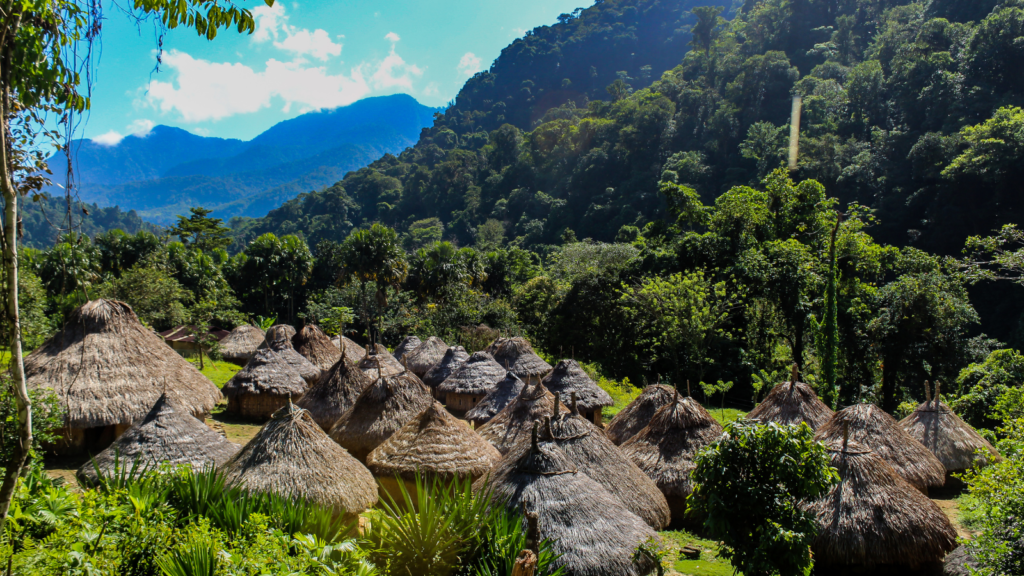

Research shows indigenous knowledge and land stewardship strengthen biodiversity, carbon storage and climate resilience.
As climate change accelerates worldwide, Indigenous lands are increasingly recognized as some of the planet’s most important natural defenses against global warming. Rich in biodiversity and capable of storing vast amounts of carbon, these territories have become central to discussions on climate mitigation and resilience.
Yet a new report argues that global climate policy has overlooked the very factor that makes these landscapes so effective: the Indigenous peoples who have managed them for generations.
New research released by Conservation International concludes that Indigenous knowledge, cultural traditions and community stewardship are fundamental to protecting forests, wildlife and ecosystems. The findings challenge a long-standing misconception in international climate discussions that Indigenous lands remain healthy simply because they are remote or sparsely populated.
Instead, researchers found that the health of these landscapes is directly linked to the people who live there and actively manage them.
RELEVANT SUSTAINABLE GOALS

Indigenous Stewardship Drives Climate Benefits
The study, released both as a narrative report and a peer-reviewed scientific publication, examined how Indigenous knowledge and cultural practices contribute to climate change mitigation and environmental conservation.
Researchers interviewed 49 Indigenous leaders representing communities across six continents, including the Amazon rainforest, East African savannas and Pacific Islands.
According to the findings, traditional practices such as avoiding overfishing, maintaining sacred areas, monitoring forests for fires and environmental threats, and resisting extractive industries all contribute to the remarkable ecological health of Indigenous territories.
Among the surveyed communities, 96 percent reported setting aside areas of land for special cultural or spiritual purposes. Researchers found that these protected spaces also provide important environmental benefits by preserving ecosystems and biodiversity.

Indigenous Communities Face Growing Climate Pressures
While Indigenous lands continue to provide critical environmental services, the communities themselves are increasingly confronting the impacts of climate change.
The report found that all 43 surveyed communities are experiencing drought, extreme weather and other climate-related impacts.
More than half also reported being affected by extractive industries, including mining and logging, which researchers say threaten both ecosystems and long-standing land stewardship practices.
Drought and extreme weather emerged as the most frequently cited climate impacts. In addition, 61 percent of respondents identified mining, commercial agriculture, logging and other external incursions as major threats to their territories.
Traditional Knowledge Protects Forests and Wildlife
The research builds on years of scientific evidence showing that some of the world’s healthiest forests are located on Indigenous lands and that conservation efforts are more successful when Indigenous communities have meaningful autonomy and decision-making authority.
The study provides numerous examples of traditional management practices that simultaneously protect biodiversity and strengthen ecosystem resilience.
The Kichwa people in Ecuador, for example, limit the hunting of female tapirs and other animals to help maintain healthy wildlife populations.
Meanwhile, the Tacana people in Bolivia prohibit tree clearing along rivers, helping preserve water quality and reduce soil erosion.
Researchers found that similar community-based approaches are practiced across Indigenous territories worldwide, contributing to long-term environmental stability.
Indigenous Leaders Call for Rights, Recognition and Climate Funding
Researchers say the findings arrive at a critical moment as governments seek effective climate solutions.
Sushma Shrestha, who is Indigenous Newar from Nepal and served as the study’s lead author, said Indigenous peoples have much to contribute to global climate action.
“All of humanity relies on everything that Indigenous peoples have to contribute and offer in terms of their lands, in terms of carbon storage, in terms of biodiversity conservation,” she said.
Shrestha noted that while every Indigenous community has distinct traditions, there are shared lessons that can benefit the wider world.
“It’s a time where all hands need to be on deck,” she said. “And collectively, actions need to be taken, and Indigenous peoples have been doing this on their own for a very long time.”
The report also found that respondents from countries including Bolivia, Mexico and the Philippines use community monitoring systems and local patrols to protect their lands from illegal activities and violations of traditional protocols.
Many participants also called for stronger legal protections to prevent Indigenous territories from being sold or developed.
Protecting Indigenous Rights Seen as Essential for Climate Action
To strengthen climate resilience, Indigenous communities are calling for greater access to climate mitigation and adaptation funding, legal assistance to defend their territories, and stronger recognition of national and international land rights.
Hindou Oumarou Ibrahim, who is Indigenous Mbororo from Chad and a former chair of the United Nations Permanent Forum on Indigenous Issues, wrote in the report’s foreword that protecting Indigenous knowledge requires protecting Indigenous peoples themselves.
“Indigenous Peoples’ Knowledge cannot exist without Indigenous Peoples or without the ecosystems where we live,” Ibrahim wrote. “To protect our knowledge, there is an urgent need to recognize us, and our rights and lands must be secured.”
She also expressed hope that the experiences shared by Indigenous communities worldwide would encourage broader action.
“It is my hope the voices of the sisters and brothers from all over the world reflected in this report trigger the action we need for the planet we all want, the action we need for Indigenous Peoples Knowledge to flourish, and honor our grandparents and our children that are yet to come,” Ibrahim said.
Indigenous Knowledge Increasingly Recognized as a Global Climate Solution
The report concludes that securing Indigenous land rights has become increasingly important as climate risks intensify worldwide.
Researchers argue that policy reforms and stronger enforcement of Indigenous rights would not only benefit Indigenous communities but also strengthen global efforts to conserve biodiversity, store carbon and improve climate resilience.
Shrestha said protecting Indigenous territories is one of the most effective actions governments can take.
“One thing that everybody can do, whether that is at the national level, or at the global level, is to really secure Indigenous peoples’ rights to lands,” she said.
As climate scientists and policymakers continue searching for effective responses to the climate crisis, the report suggests that one of the world’s most powerful solutions already exists in Indigenous knowledge systems that have protected ecosystems for generations.
You may also be interested in :
Turning Degraded Lands into A Forest-Positive Bio-economy in Indonesia