


The survey, conducted in March 2026 among 4,000 respondents across the three countries, revealed widespread anxiety over climate risks and growing public pressure on banks and industries tied to fossil fuel financing.
Public concern about climate change is rising sharply across Southeast Asia, with strong majorities in Singapore, Malaysia and Indonesia backing a rapid phase-out of coal-fired power as part of efforts to tackle global warming, according to a new survey by YouGov commissioned by climate advocacy group Market Forces.
The survey, conducted in March 2026 among 4,000 respondents across the three countries, revealed widespread anxiety over climate risks and growing public pressure on banks and industries tied to fossil fuel financing.
The findings come as Southeast Asia faces intensifying heatwaves, flooding, rising sea levels and other climate-related disruptions, while governments across the region continue balancing economic growth with energy transition goals.
RELEVANT SUSTAINABLE GOALS

Climate Change Concern Reaches High Levels Across Southeast Asia
According to the survey, concern about climate change now extends across overwhelming majorities in all three countries.
The poll found that 81 per cent of respondents in Singapore, 84 per cent in Malaysia and 96 per cent in Indonesia said they were moderately to extremely concerned about climate change.
Indonesia recorded the highest level of concern among the three countries, despite remaining one of Southeast Asia’s largest producers and consumers of coal.
Researchers said the results reflect growing public awareness of climate-related risks across a region considered highly vulnerable to rising temperatures, extreme weather events and economic disruption linked to climate change.

Majority Support Rapid Coal Power Phase-Out
The survey also found growing support for moving away from coal-fired electricity generation.
Around 65 per cent of Indonesians, 61 per cent of Singaporeans and 58 per cent of Malaysians agreed that rapidly phasing out coal power is one of the most effective ways to address climate change.
The findings suggest increasing public acceptance of energy transition policies even in economies where coal remains closely tied to industrial growth and energy security.
“There’s overwhelming concern about climate change in Singapore, Malaysia and Indonesia and most people agree that rapidly ending coal mining and power will protect us from dangerous global warming,” said Bernadette Maheandiran, Asia Energy Finance Director at Market Forces.
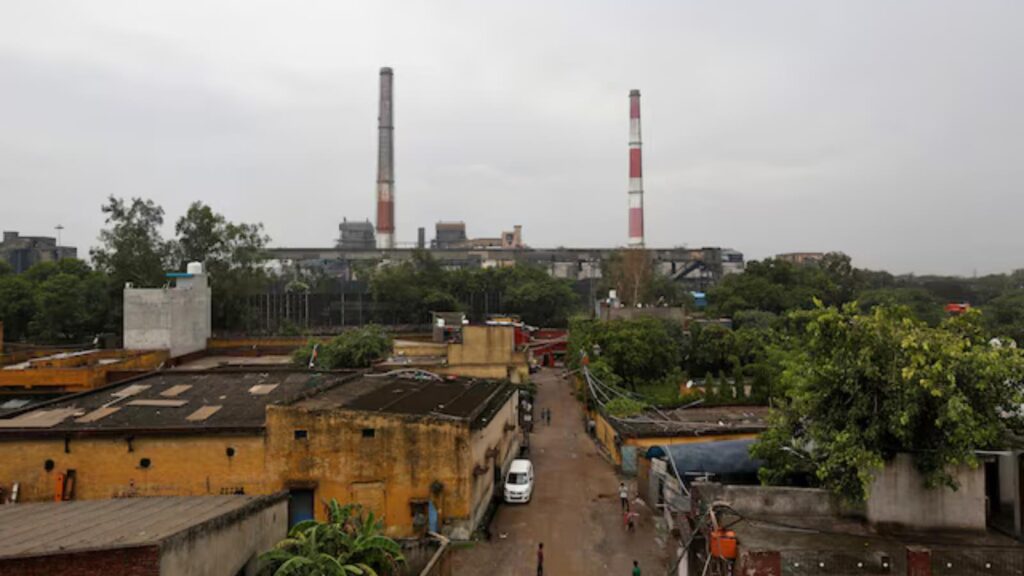
Coal remains one of the largest sources of greenhouse gas emissions globally and continues to play a major role in Southeast Asia’s power systems.
Banks Face Growing Pressure Over Coal Financing
The survey revealed rising scrutiny of financial institutions that continue financing coal projects and high-emission industries.
More than three in five respondents across the three countries said banks financing coal mining and coal-fired power projects are worsening climate change.
The poll also found that strong majorities oppose bank financing for high-emission businesses.
According to the survey:
- 73 per cent of respondents in Singapore opposed financing for high-emission companies
- 71 per cent in Indonesia opposed such financing
- 71 per cent in Malaysia also opposed continued support for high-emission sectors
The findings highlight growing reputational risks for banks and financial institutions still involved in fossil fuel expansion.
Researchers found that 43 per cent of Indonesians, 36 per cent of Malaysians and 28 per cent of Singaporeans said they would consider switching banks if they discovered their financial institution continued financing new coal projects.
“Banks in Singapore, Malaysia and Indonesia must recognise that funding coal poses serious risks to the climate, the economy and threatens the loss of a third of their customers,” Maheandiran said.
Captive Coal Plants Face Rising Public Opposition
The survey also pointed to growing public concern over industrial coal use tied to critical mineral processing.
Captive coal plants, which are built specifically to supply electricity to industrial facilities such as nickel and aluminium smelters, have become increasingly controversial as governments and companies promote critical minerals as part of the global clean energy transition.
According to the poll:
- 69 per cent of Singapore respondents said commitments to stop financing new coal projects should also apply to captive coal plants
- 66 per cent of Indonesians agreed
- 59 per cent of Malaysians supported the same position
The findings suggest growing public scrutiny over the environmental footprint of industries linked to electric vehicles, batteries and renewable energy supply chains.
Public Questions ‘Green’ Label for Coal-Powered Nickel Production
The survey also explored public attitudes toward nickel production powered by coal-fired electricity.
A majority of respondents across all three countries said nickel could not be considered “green” if it is produced using coal power.
Indonesia again recorded the highest level of concern at 61 per cent, followed by Malaysia at 54 per cent and Singapore at 52 per cent.
The issue has become increasingly significant as Indonesia rapidly expands nickel processing operations to supply the global electric vehicle and battery industries.
While nickel is considered essential for the clean energy transition, environmental groups and researchers have raised concerns about the carbon intensity of coal-powered smelting operations.
Southeast Asia’s Energy Debate Enters New Phase
The survey findings reflect a broader shift in public attitudes across Southeast Asia, where climate concerns are increasingly intersecting with debates over energy policy, industrial development and financial accountability.
Governments throughout the region continue to face pressure to balance economic growth, energy security and decarbonisation targets.
At the same time, banks and investors are facing growing expectations from consumers and advocacy groups to accelerate the transition away from fossil fuels.
The results suggest that climate change is no longer viewed solely as an environmental issue in Southeast Asia, but increasingly as an economic, financial and public welfare challenge with direct implications for industries, governments and financial institutions alike.