

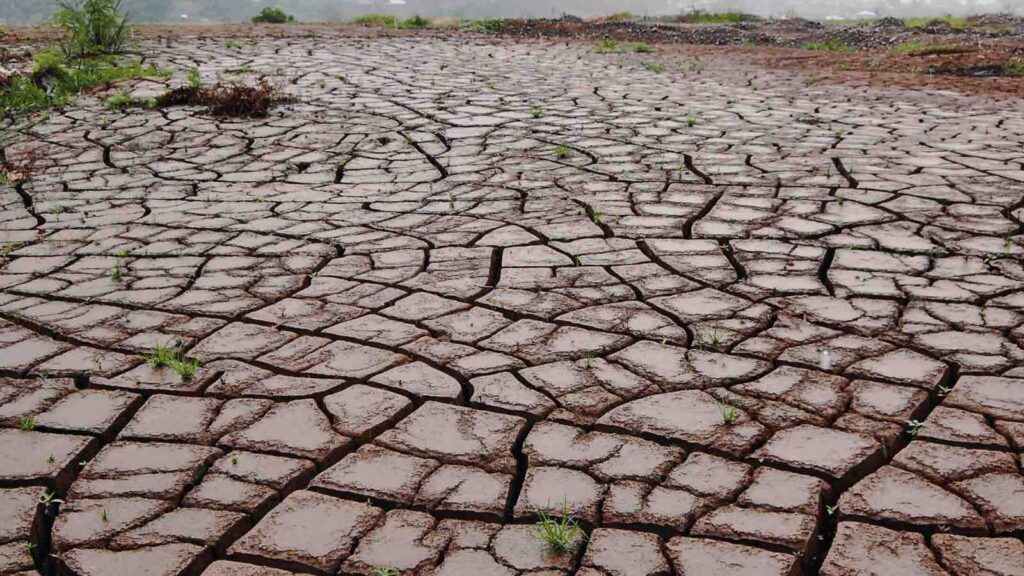

With drought conditions expected to extend for up to three years, Thailand is entering a period that will test the resilience of its infrastructure, farming systems and resource management strategies.
Thailand is preparing for a prolonged period of drought that could last up to three years, as the El Niño weather phenomenon begins to take hold.
According to the Office of National Water Resources and the Geo-Informatics and Space Technology Development Agency, the country is expected to experience intensifying heat and reduced rainfall, with conditions likely to persist through 2028.
Officials say the first impacts will begin to emerge in July, with temperatures rising further from November into early next year, signaling the onset of a sustained dry cycle that could test water security and agricultural resilience.
RELEVANT SUSTAINABLE GOALS

Rising Temperatures and Shorter Rainy Seasons
Early indicators of the coming drought are already visible.
Temperatures in some parts of Thailand have reached as high as 44°C, a level that is directly affecting ground moisture content. At the same time, the annual rainy season — which typically begins in June — is expected to be shorter than usual.
These combined factors are likely to accelerate water loss in soil and reservoirs, increasing pressure on both rural and urban water systems.
While there is no confirmation that the current El Niño will escalate into a so-called “super” event, officials have made clear that extreme heat and prolonged dry conditions are highly likely.

Water Management Becomes a National Priority
In response, the Thai government has instructed relevant agencies to intensify preparations, particularly in the management of major reservoirs.
Authorities aim to ensure that water supplies remain sufficient for both consumption and agriculture over the coming years. Reservoirs behind the Bhumibol and Sirikit dams — located in Tak and Uttaradit provinces — are currently at full capacity, offering a temporary buffer.
However, water stress is already emerging in other regions. Southern provinces such as Prachuap Khiri Khan and Chumphon are facing shortages due to reduced rainfall, highlighting uneven impacts across the country.
Farmers Urged to Adapt to Changing Conditions
Agriculture, one of the sectors most vulnerable to drought, is expected to face significant challenges.
Farmers — particularly those without access to irrigation systems — are being advised to carefully plan crop cultivation based on water availability. Adjustments to planting schedules and crop selection may become essential as dry conditions persist.
To support these efforts, GISTDA has introduced two digital platforms, “check laeng” and “dragonfly,” designed to help farmers monitor conditions and plan for the dry season more effectively.
These tools are intended to provide data-driven guidance, enabling farmers to respond proactively rather than reactively to shifting weather patterns.
The drought outlook reflects broader climate pressures linked to El Niño, a recurring phenomenon that alters global weather patterns and often brings hotter, drier conditions to Southeast Asia.
In Thailand, the anticipated multi-year drought underscores the increasing need for long-term planning in water management, agriculture and climate adaptation.
Officials have emphasized that preparation — rather than reaction — will be key to mitigating the impacts of extreme weather in the years ahead.
With drought conditions expected to extend for up to three years, Thailand is entering a period that will test the resilience of its infrastructure, farming systems and resource management strategies.
While reservoirs currently provide some level of security, the combination of rising temperatures, reduced rainfall and prolonged dry conditions points to a more challenging outlook.
The coming years will likely require coordinated action across sectors, as the country works to maintain water security and protect livelihoods in the face of intensifying climate variability.
You may also be interested in :
Super El Niño Could Trigger Severe Drought in ASEAN and Push 2027 To Record Heat