


Zero-tax policy marks major push toward electric vehicles. The move comes amid a sharp escalation in global oil prices linked to the war in the Middle East. Brent crude rose more than 50 per cent in March, with prices exceeding US$100 per barrel.
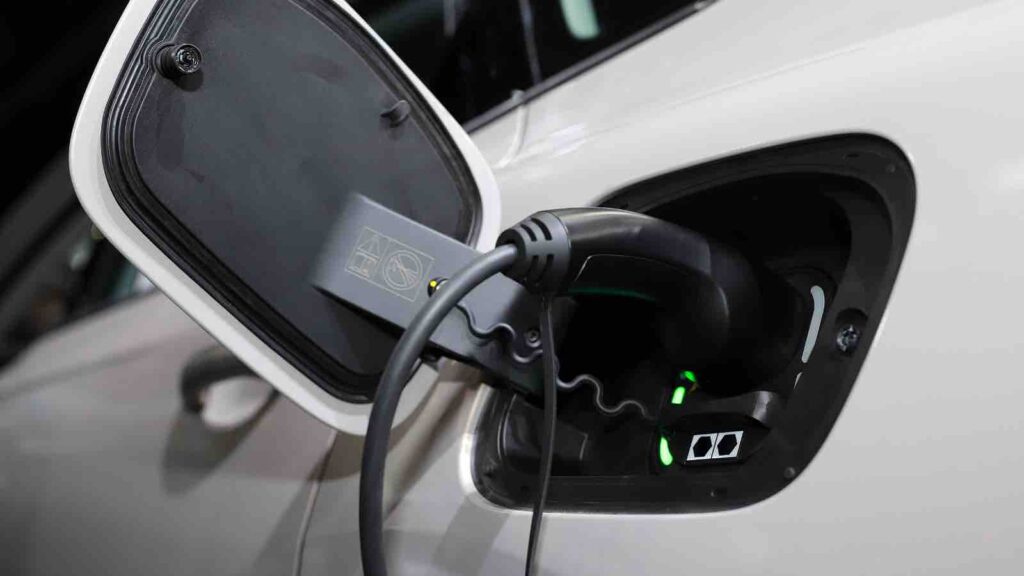
Cambodia has removed import taxes on electric vehicles and related equipment starting April 1, in a sweeping policy move aimed at reducing reliance on fossil fuels as global oil prices surge.
The decision, announced by the General Department of Customs and Excise of Cambodia on March 26, sets import duties to zero per cent on a wide range of electric vehicles, components and electrical goods. The policy reflects growing urgency as volatile fuel markets expose vulnerabilities in energy systems dependent on imported oil.
RELEVANT SUSTAINABLE GOALS



Oil Price Shock Drives Policy Shift
The move comes amid a sharp escalation in global oil prices linked to the war in the Middle East. Brent crude rose more than 50 per cent in March, with prices exceeding US$100 per barrel.
Disruptions tied to the Strait of Hormuz, a key route for roughly 20 per cent of global oil flows, have tightened supply and increased market volatility. The International Energy Agency has described the situation as one of the largest supply disruptions in oil market history, warning of significant declines in global supply.
Against this backdrop, Cambodia’s tax cuts signal a strategic effort to shield its economy from fuel price shocks while accelerating the transition to cleaner energy.

Broad Tariff Cuts Across EV and Energy Technologies
The new policy removes or reduces tariffs across multiple categories of goods tied to electrification and clean energy.
Import duties have been cut from 7 per cent to zero on nine categories, including electric vehicles, electric rice cookers and solar lamps. Taxes of 15 per cent have also been eliminated for electric vehicle motors, solar power systems, lithium batteries and energy storage devices such as power banks.
A further 179 tariff lines covering hybrid electric vehicles (HEVs), plug-in hybrid electric vehicles (PHEVs), electric stoves and EV passenger and freight vehicles have seen duties reduced from 15 per cent to zero.
Taxes on some PHEV family cars have been lowered from 35 per cent to 7 per cent, while duties on certain EV family cars and electrical appliances have been cut from 35 per cent to zero.
In addition, export taxes on bauxite, an aluminium ore, have been reduced from 25 per cent to 10 per cent.
A Growing but Still Small EV Market
Cambodia’s electric vehicle market remains limited but is showing signs of growth.
As of February 2026, the country had 8.3 million registered vehicles, of which only 14,534 were electric, according to the Ministry of Public Works and Transport.
“The number of EVs will continue to increase onward,” said ministry spokesperson Phan Rim.
Climate Targets Driving Electrification
The tax cuts are part of a broader national strategy to expand clean energy and meet climate commitments.
Cambodia’s updated climate plan aims to reduce carbon emissions by 41.7 per cent by 2030. Its long-term carbon neutrality strategy sets a target for electric vehicles to account for 40 per cent of cars and a majority of motorcycles and urban buses by 2050.
Authorities have introduced supporting measures in recent years, including reduced special duties on EVs, updated road traffic laws to allow EV registration and efforts to expand charging infrastructure nationwide.
The government has also encouraged private investment in charging networks and engaged with companies such as BYD to support infrastructure development.
International Support and Structural Advantages
Cambodia’s transition is supported by development partners including the United Nations Development Programme, the Economic and Social Commission for Asia and the Pacific and the Global Green Growth Institute.
These organisations are assisting with policy development, feasibility studies and pilot projects, including plans to deploy electric buses.
Officials point to several structural advantages for EV adoption: a young and highly motorised population, rising fuel costs and an electricity mix that already includes a significant share of renewable energy, particularly hydropower and solar.
Persistent Barriers to Wider Adoption
Despite policy momentum, challenges remain.
Electric vehicles carry a significantly higher upfront cost, with new EVs priced at around US$29,000, compared with about US$16,000 for new conventional vehicles and US$6,500 for used cars.
Charging infrastructure is still limited, and concerns persist over battery reliability and charging times.
A Strategic Response to Energy Uncertainty
Cambodia’s decision to eliminate EV import taxes reflects a broader recalibration of energy policy in response to global instability.
As oil markets remain volatile, the country is positioning electrification not only as a climate solution but as a pathway to greater energy security and economic resilience.
The policy underscores a growing recognition across Southeast Asia: reducing dependence on fossil fuels is no longer just an environmental priority, but an economic necessity.
You may also be interested in :
Laos Cuts EV Fees and Raises Petrol Car Charges As Energy Crisis Forces Policy Shift