

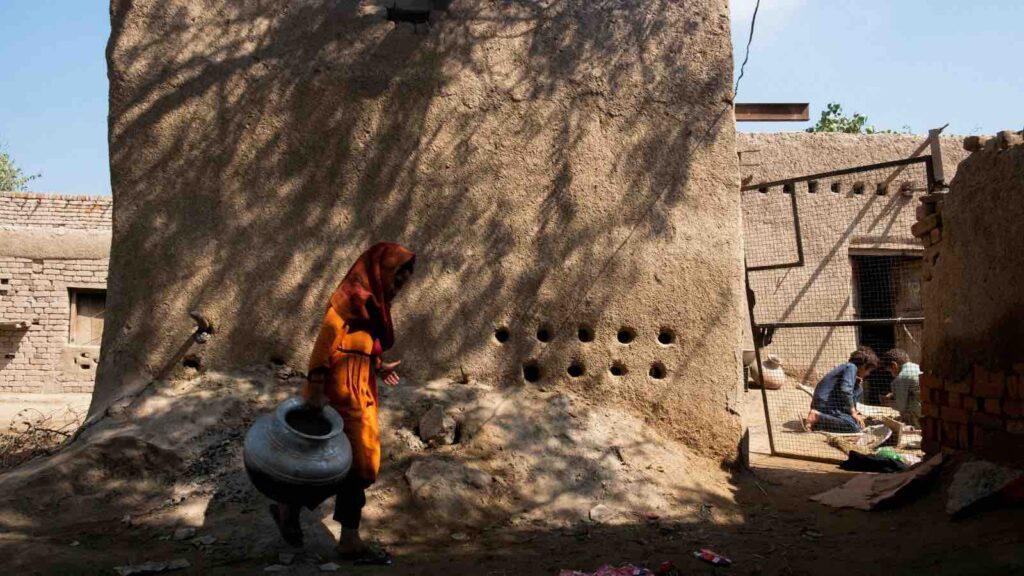

The study, published in BMC Medicine, analyzed health data from more than 85,000 mothers and babies across Pakistan, combining ten years of birth records (2008–2017) with monthly temperature exposure.
A new study has found that babies born to mothers exposed to extreme heat in Pakistan are significantly more likely to have low birth weight, raising fresh concerns about the health impacts of climate change on vulnerable populations.
The research shows that the risk of low birth weight can be up to 70 per cent higher in some regions, particularly in southern Punjab, northern Sindh and Baluchistan, where rising temperatures and socioeconomic challenges intersect.
The findings come as Pakistan faces increasingly frequent heatwaves, droughts and floods, intensifying risks for both mothers and newborns.
RELEVANT SUSTAINABLE GOALS
Study Draws on Data From More Than 85,000 Births
The study, published in BMC Medicine, analyzed health data from more than 85,000 mothers and babies across Pakistan, combining ten years of birth records (2008–2017) with monthly temperature exposure.
Researchers found that 18 per cent of babies in the dataset had low birth weight, defined as weighing less than 2.5 kilograms or being smaller than average at birth.
Up to 13 per cent of these cases were attributed to hot weather conditions, highlighting a measurable link between rising temperatures and neonatal health outcomes.
“Pregnant women in this study were at a higher risk of delivering infants of a low birth weight following exposure to extreme temperatures,” said Associate Professor Zohra Lassi of the Robinson Research Institute at the University of Adelaide, who led the project.

Heat Exposure Raises Risk by Up to 70 Percent
The study found that the excess risk of low birth weight ranged from about 30 per cent to 70 per cent, depending on the region and level of heat exposure.
The highest risks were concentrated in areas already facing hotter climates and greater socioeconomic disadvantage, amplifying the impact of extreme temperatures.
“Low birth weight is already a major neonatal health issue in Pakistan,” Lassi said, noting that it is linked to higher neonatal mortality and long-term health problems, including stunted growth and cognitive impairments.
Climate Burden Expected to Rise by the 2060s
The research also projects that the burden of heat-related low birth weight will continue to grow.
Under high-emission scenarios, the share of cases linked to heat exposure is expected to increase by around 8 to 10 per cent by the 2060s, adding pressure to an already strained health system.
The study estimates that 9.39 to 13.51 per cent of low-birth-weight cases are currently attributable to heat — a figure likely to rise as global temperatures continue to increase.
Researchers emphasize that heat does not act alone. Instead, it compounds existing structural challenges.
“In Pakistan, heat does not occur in isolation,” said lead author Hira Fatima of the HEAL Global Research Centre at the University of Canberra. “It interacts with existing challenges such as poverty, limited healthcare access, poor air quality, and maternal undernutrition.”
These overlapping factors mean that climate change is not only a physical threat but also a driver of deepening inequality in health outcomes.
“Our study shows that these structural disadvantages are already shaping who is most at risk of heat-related low birth weight,” Fatima said.
Call for Stronger Climate and Health Interventions
The findings highlight the need for more comprehensive responses to climate-related health risks.
Experts say that adaptation strategies must go beyond early warning systems and address the underlying vulnerabilities faced by pregnant women.
Fatima noted that climate adaptation in Pakistan should include stronger maternal health services, targeted support for high-risk districts and better protection for vulnerable populations.
Lassi added that urgent action is needed across multiple fronts.
“Interventions designed to mitigate the effects of climate change, enhance access to essential healthcare services, and promote sustainable development are urgently required,” she said.
This includes public health programs to help pregnant women cope with extreme heat and increased investment in healthcare infrastructure.
You may also be interested in :
Global Heat Divide: Climate Change Driving Unequal Mortality Between Rich and Poor Nations