

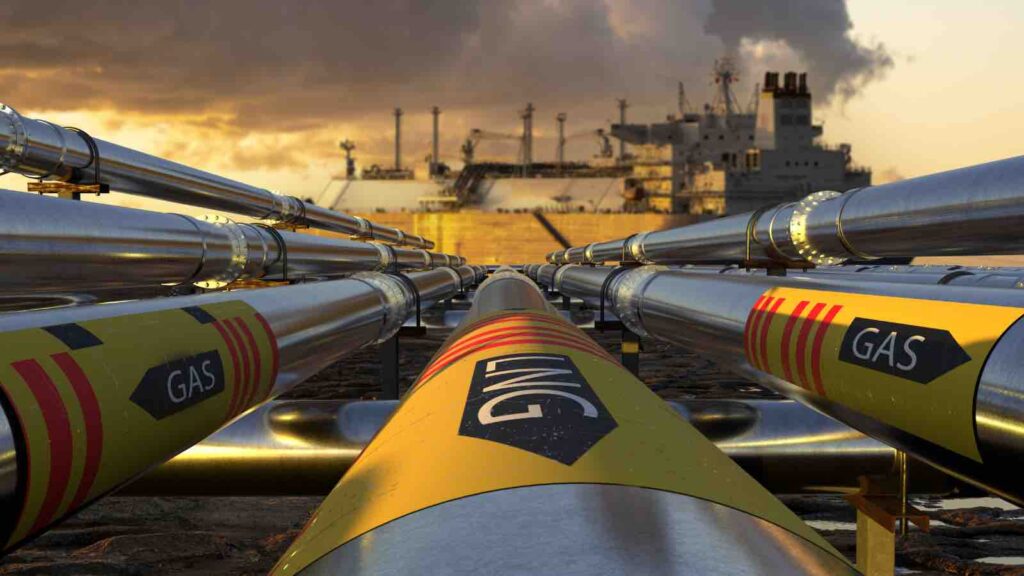

Rising energy costs push Southeast Asia to rethink fossil fuel dependence.
Southeast Asia may be at a turning point in its energy future. A new analysis suggests that replacing planned gas power expansion with solar energy could save the region up to US$67 billion, as global fuel markets face renewed volatility.
The study, released by Ember, finds that solar power offers a significantly cheaper and more stable pathway to meet rising electricity demand across the Association of Southeast Asian Nations (ASEAN), particularly as gas prices surge amid geopolitical disruptions.
RELEVANT SUSTAINABLE GOALS



Solar Emerges as the Lower-Cost Option
Under ASEAN’s current energy transition plans, gas-fired power capacity is expected to nearly double — from 106 gigawatts (GW) today to 200 GW by 2030.
But Ember’s analysis shows that continuing along this path could come at a steep cost.
At current and projected liquefied natural gas (LNG) prices, running the region’s gas fleet could cost between US$71 billion and US$109 billion annually. By comparison, generating the same amount of electricity using solar would cost around US$42 billion.
The difference highlights solar’s potential to cut costs by roughly half, offering a more economically resilient alternative.
Despite this, Southeast Asia has only installed about 27 GW of solar capacity, less than 1 percent of its estimated technical potential of more than 30,000 GW.

Gulf Crisis Exposes Energy Vulnerabilities
The findings come as the closure of the Strait of Hormuz and a halt in Qatari LNG production disrupt global energy markets, tightening supply and driving up prices.
Countries heavily reliant on gas-fired power — including Singapore and Thailand — are particularly exposed. Last year, Singapore sourced 42 percent of its LNG imports from Qatar, while Thailand relied on it for 27 percent of its supply.
Across the region, dependence on imported fuels remains high. All ASEAN countries except Brunei are net oil importers, and Indonesia has been a net oil importer since 2004.
In East Asia, reliance is similarly pronounced. Japan imports about 90 percent of its crude oil from the Middle East, while South Korea sources around 70 percent, much of it passing through the Strait of Hormuz.
Short-Term Shift to Coal Raises New Risks
As energy prices rise, some countries are turning back to coal as a stopgap solution — a move the report describes as both costly and unsustainable.
In Indonesia, coal prices have risen to around US$134 per tonne, up about 9 percent in early March. The government is adjusting its 2026 production quota, positioning itself to sell more coal into a tightening market.
Thailand has also increased coal plant utilisation to manage its electricity supply, a temporary measure that could add 3.2 million tonnes of carbon dioxide emissions annually, equivalent to about 5 percent of its 2037 emissions target.
While coal remains cheaper than gas — with a levelized cost of electricity of about US$76/MWh compared to US$104/MWh for gas — it still lags behind solar, which can deliver power at around US$40/MWh, particularly when paired with battery storage.
Energy Security and Economic Stability at Stake
A spike in energy prices can weaken currencies, reduce investment and increase inflation. Prolonged disruptions could also intensify competition for fuel supplies, potentially widening economic disparities between richer and emerging economies.
For example, rising gas prices could push Singapore’s electricity costs to around US$260.8/MWh, roughly double recent levels. The country has previously introduced price caps to shield consumers from volatility after electricity prices surged to about US$2,000/MWh during the 2021–2022 crisis.
Renewable Shift Seen as Long-Term Solution
Analysts say the current crisis highlights the need for a structural redesign of the region’s energy systems.
“Current and past crises have proven that fossil import dependence is risking energy security,” said Dr Dinita Setyawati, senior energy analyst for Asia at Ember.
While short-term measures such as energy conservation can help ease immediate pressures, the report emphasizes that homegrown renewable energy — particularly solar — offers a more durable solution.
Renewables not only reduce exposure to volatile global fuel markets but also support long-term decarbonisation goals.
The Gulf crisis has exposed underlying vulnerabilities in Southeast Asia’s energy systems, reinforcing calls for a faster transition away from fossil fuels.
ASEAN economic ministers have already highlighted the urgency of accelerating renewable energy adoption in response to recent geopolitical developments.
The report suggests that decisions made now — whether to expand gas infrastructure or invest in solar — will shape the region’s economic resilience, energy security and climate trajectory for decades to come.
In a region where demand for electricity continues to rise, the choice between imported fuels and domestic renewable energy is becoming increasingly consequential.
You may also be interested in :
IEA Urges Global Demand Cuts As War-Driven Energy Shock Keeps Oil Above $100
