

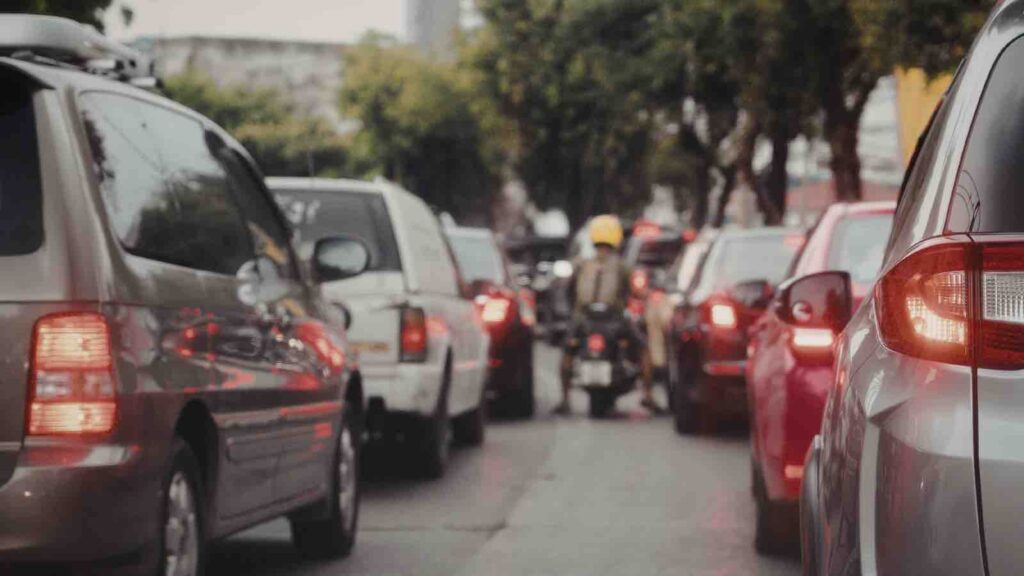

Emergency measures aim to reduce fuel consumption nationwide.
Laos has introduced sweeping emergency measures to curb fuel use amid a worsening energy crunch, including a 30 percent cut in registration and service fees for electric vehicles (EVs) and a matching increase in charges for fuel-powered cars.
The directive, announced by the Prime Minister’s office on March 13, 2026, also requires transport companies to ensure that electric vehicles make up at least 10 percent of their fleets by the end of 2026.
Authorities said import procedures for EVs will be simplified and made less costly as part of the effort to accelerate adoption.
RELEVANT SUSTAINABLE GOALS



Government Moves to Limit Fuel Use Across Public Sector
The new policy includes broader actions aimed at reducing petroleum demand.
Government agencies have been ordered to halt purchases of new fuel-powered vehicles for administrative use unless strictly necessary.
Ministries are also instructed to cut travel to provincial areas, replace in-person meetings with remote alternatives where possible and introduce rotating work shifts to reduce daily commuting.
In the capital Vientiane, authorities have been directed to extend the bus rapid transit (BRT) network to the railway station and airport, supporting public transport use during the crisis.

Fuel Price Surge Exposes Energy Vulnerability
Laos’ measures come after sharp increases in global fuel prices linked to turmoil in the Middle East.
Between March 4 and March 10, diesel prices in Laos surged nearly 50 percent, rising from LAK21,930 (US$1.03) to LAK32,860 (US$1.53) per litre.
Special gasoline recorded the second-largest global price increase during the same period, according to data from Global Petrol Prices.
A modest price reduction announced on March 13 lowered diesel to LAK31,560 (US$1.47) per litre, though costs remain significantly above pre-crisis levels.
Heavy Reliance on Imports Heightens Risk
The crisis has underscored Laos’ dependence on external fuel supplies.
The country imports more than 97 percent of its petroleum products from neighbouring Thailand, leaving it highly exposed to supply disruptions.
Vulnerabilities became clear when Thailand temporarily suspended fuel exports after Iran closed the Strait of Hormuz in late February, triggering panic buying that quickly emptied petrol stations in Vientiane.
Thailand later granted Laos an exemption, allowing a 12-million-litre fuel shipment to ease immediate shortages. However, the episode highlighted the country’s limited buffer against global market shocks.
In response, the Ministry of Industry and Commerce ordered nationwide inspections of fuel depots and petrol stations on March 13.
Officials have been instructed to review supply levels and delivery records dating back to February 1, and to take action against operators found hoarding fuel or manipulating supply.
The move is aimed at stabilising domestic markets and preventing further disruption to essential transport and economic activities.
EV Incentives Part of Longer-Term Energy Strategy
Laos has been gradually promoting EV adoption as part of broader efforts to reduce reliance on imported fuel.
Under existing policies, electric vehicles already benefit from zero import tariffs and a preferential excise tax of about 3 percent, significantly lower than those applied to many conventional vehicles.
EV owners also receive roughly a 30 percent reduction in annual road tax compared with petrol-powered vehicles of similar size, while the standard value-added tax of 10 percent still applies.
The government has set a long-term target for EVs to account for more than 30 percent of vehicles on the road by 2030, according to official plans.
Interest in electric mobility has begun to grow from a low base.
Laos recorded more than 4,600 EV sales in 2023, including both electric cars and motorbikes, as lower operating costs and government incentives encourage adoption.
However, limited charging infrastructure and high upfront vehicle costs continue to slow wider uptake among consumers.
As the country navigates its current energy challenges, policymakers are balancing short-term emergency measures with longer-term strategies aimed at reshaping Laos’ transport and energy systems.