

New Clark City Project Aims to Modernize Waste Management and Generate 12 Megawatts of Power.
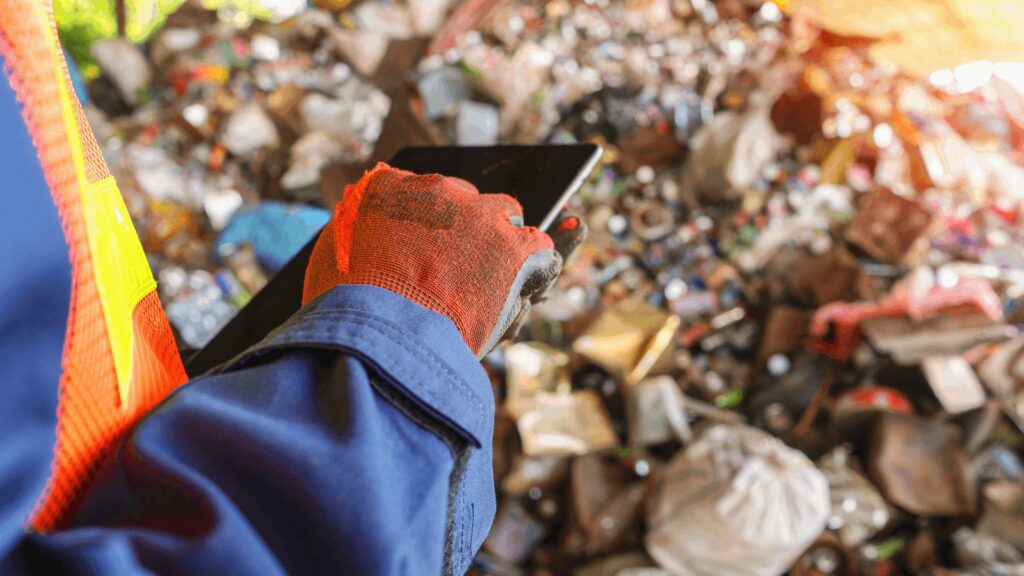
NEW CLARK CITY, Tarlac — The Bases Conversion and Development Authority (BCDA) has allocated P4 billion to build what it describes as the Philippines’ first large-scale waste-to-energy (WTE) facility, positioning the project as a cornerstone of modern waste management in the country.
The facility will rise in New Clark City, a planned growth center in Tarlac, and is designed to reduce landfill dependence while generating electricity for the Luzon grid.
BCDA President and Chief Executive Officer Joshua Bingcang said the initiative aligns with President Ferdinand R. Marcos Jr.’s broader national agenda focused on environmental protection, energy security, expanded clean energy use and sustainable urban development.
“This project directly contributes to the national agenda of President Ferdinand R. Marcos Jr. by strengthening environmental protection, supporting energy security, and introducing modern waste management systems,” Bingcang said. “It demonstrates how infrastructure development can deliver long-term environmental and economic value for the country.”
RELEVANT SUSTAINABLE GOALS
Cutting Waste Volume by Up to 90 Percent
The proposed waste-to-energy plant aims to cut waste volume by 80 to 90 percent through controlled thermal treatment, offering a structured and environmentally managed disposal system for local government units.
By significantly reducing the volume of municipal solid waste sent to landfills, the project seeks to address long-standing challenges in solid waste management while integrating energy recovery into the process.
The facility is designed to process up to 600 metric tons of municipal solid waste daily and generate 12 megawatts of power.
BCDA said the plant will use proven WTE technology with more than 70 years of global operational experience, underscoring its intention to adopt established systems rather than experimental models.

Powering the Luzon Grid With Recovered Energy
Beyond waste reduction, the facility is expected to produce clean electricity that will feed into the Luzon grid.
In addition to power generation, the project is anticipated to yield multiple recoverable outputs, aligning with the broader goal of turning waste into usable resources.
Officials frame the initiative not only as a disposal solution but also as a step toward integrating circular economy principles into infrastructure development.
Environmental Oversight and Safeguards
The Department of Environment and Natural Resources has expressed support for the project, noting that modern WTE systems can form part of a science-based and responsible solid waste management framework.
However, the department emphasized that the facility must strictly comply with environmental safeguards.
The endorsement signals conditional backing, reflecting the government’s position that advanced thermal treatment technologies can complement existing waste management systems when properly regulated.
Jobs and Long-Term Economic Impact
The project is also expected to deliver economic benefits.
More than 300 jobs are projected during the two-year construction phase. Once operational, the facility is expected to provide sustained employment throughout its projected 25-year lifespan.
BCDA said the WTE plant will reinforce New Clark City’s position as a strategic growth center built on modern infrastructure and responsible environmental management.
A Shift Toward Modern Waste Solutions
As urbanization accelerates and landfill capacity tightens, waste-to-energy technology is increasingly viewed as one option within a broader waste management strategy.
The New Clark City facility represents a significant public investment in infrastructure designed to reduce waste volume, recover energy and support long-term environmental goals.
With a P4 billion commitment, defined energy output and a structured compliance framework, the project marks a tangible step in the Philippines’ effort to modernize waste systems while strengthening energy resilience.
Whether it becomes a model for replication nationwide will depend on implementation, oversight and measurable environmental performance in the years ahead.
You may also be interested in :
Cebu Landfill Landslide Sparks Outcry Over “Broken” Waste Management System