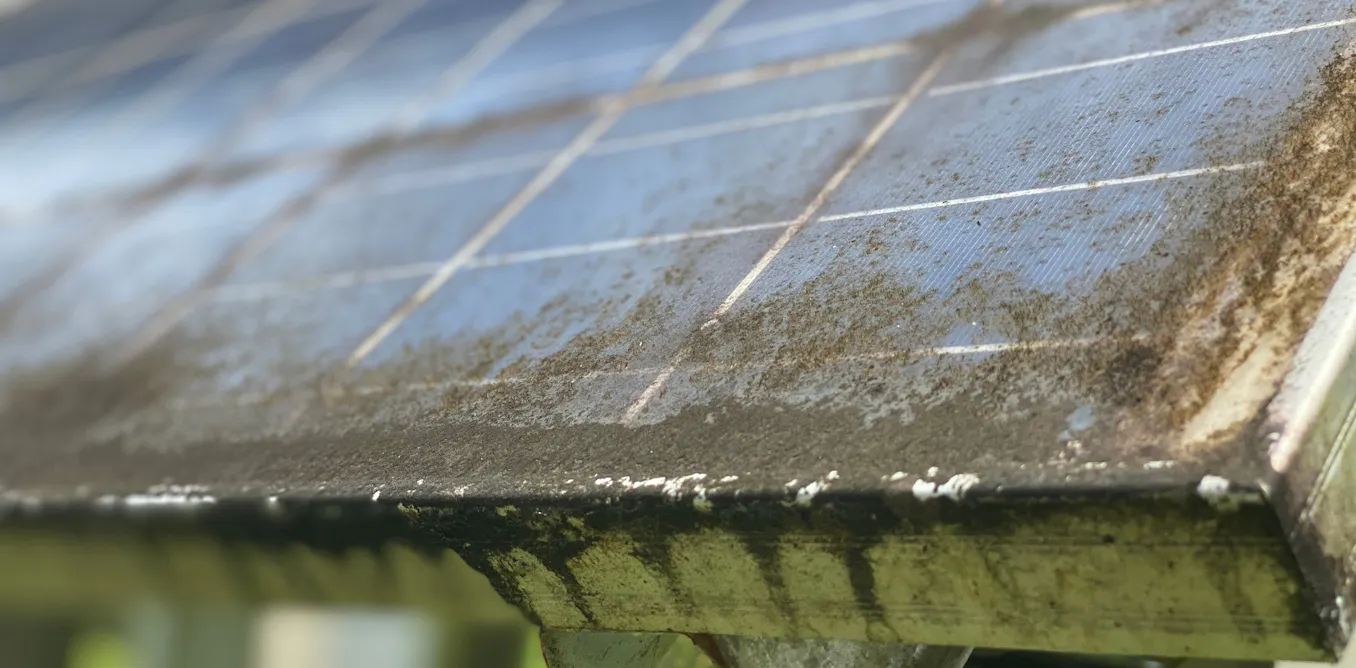

Solar power has a dark side: panels are still built to be thrown away, and we risk creating a mountain of waste that locks away valuable minerals.
The world already faces up to 250 million tonnes of solar waste by 2050, as panels installed during the solar boom of the 2000s and 2010s reach the end of their service life.
These panels were not designed to be repaired, refurbished, or disassembled. Indeed, current recycling processes mainly extract glass and aluminium, while the materials that carry the highest economic and strategic value such as silver, copper and high-grade silicon are generally lost in the process.
The industry now faces a narrow window to rethink. Without a shift in design, the energy transition could end up shifting environmental pressures rather than reducing them. Building low-carbon technology is essential, but low-carbon does not inherently mean sustainable.
A booming industry designed for the dump
The average lifespan of solar modules is about 25 to 30 years. This means a massive wave of installations from the early 2000s is now reaching the end of its life cycle. Countries with mature solar markets like Germany, Australia, Japan and the US are already seeing a sharp increase in the number of panels being taken out of service.
The challenge lies not only in the scale of the waste but also in the very design of the panels. To survive decades of weather, solar panels are built by stacking layers of glass, cells and plastic, then bonding them together so tightly with strong adhesives that they become a single, inseparable unit.

But this durability has a downside. Because the layers are so tightly bonded, they are exceptionally difficult to peel apart, effectively preventing us from fixing the panels when they break or recovering materials when they are thrown away (those materials could generate US$15 billion (£11 billion) in economic value by 2050).
The limits of recycling
In any case, recycling should be a last resort because it destroys much of the embedded value. That’s because current processes are crude, mostly shredding panels to recover cheap aluminium and glass while losing high value metals.
For instance, while silver represents only 0.14% of a solar panel’s mass, it accounts for over 40% of its material value and about 10% of its total cost. Yet it is rarely recovered when recycling. During standard recycling, solar panels are crushed. The silver is pulverised into microscopic particles that become mixed with glass, silicon and plastic residues, making it too difficult and expensive to separate.

That’s why strategies that aim to extend the life of solar panels – such as repair and reuse – are vastly superior to recycling. They preserve the value of these products, and avoid the massive energy cost of industrial shredding. They keep valuable materials in circulation and reduce the need to extract new raw materials. They can even generate new revenue for owners. But this circular vision is only viable if solar panels are designed to be taken apart and repaired.
Designing panels for a circular future
Moving towards such an approach means redesigning panels so they can be repaired, upgraded and ultimately disassembled without damaging or destroying the components inside. The idea of designing for disassembly, common in other sectors, is increasingly essential for solar too.
Instead of permanent adhesives and fully laminated layers, panels can be built using modular designs and reversible connections. Components such as frames, junction boxes and connectors should be removable, while mechanical fixings or smart adhesives that release o
Read More