
The status of carbon-neutral claims made by Volkswagen, Nespresso and other companies has been thrown into doubt after Verra, the world’s largest carbon credit registry, concluded it had issued millions of excess credits to a contentious forest protection project based in Zimbabwe.
The acknowledgement comes after a series of legal cases in which courts have questioned the legitimacy of carbon-neutral claims based on offsets. “There is a lot of exposure to risk and these companies are vulnerable,” said Daniel Cherrin, a crisis communications expert who focuses on climate issues.
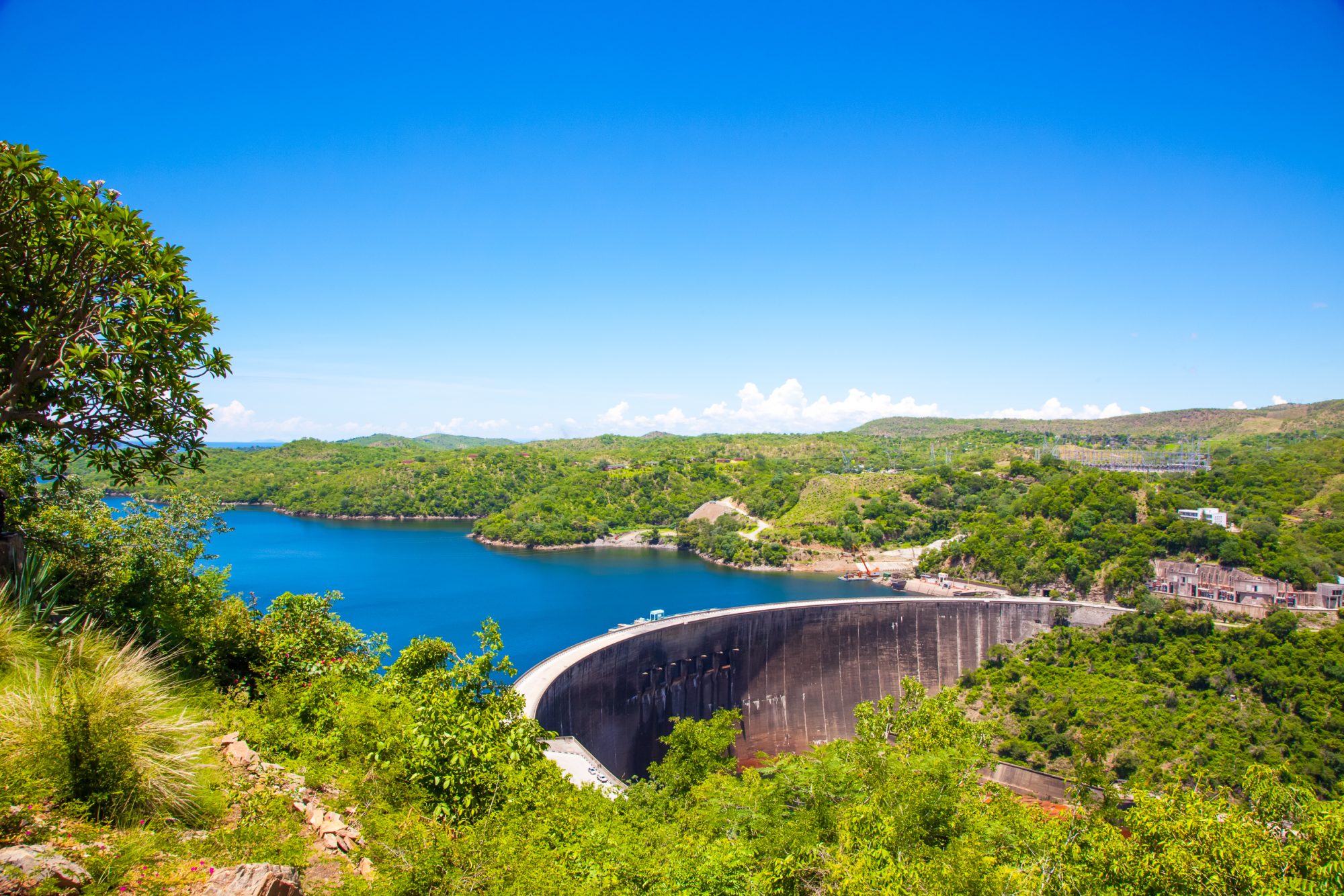
The project at the heart of the case is among the most controversial of recent times. The developer, Carbon Green Investments (CGI), said it would use funds from credits sales to reduce deforestation across almost 2 million acres of land around Lake Kariba, in the northwest of the country. A total of 27 million credits were issued to the project between 2013 and 2021.
Verra launched an investigation in October 2023 after a story in The New Yorker alleged that the project’s broker, South Pole, had “sold millions of credits for carbon reductions that weren’t real” and quoted CGI’s owner as acknowledging illegal money transfers.
Last month, the registry announced the conclusion of the first stage of that investigation: Due to errors in estimating the baseline — the amount of deforestation that would have occurred in the absence of the project — Verra had issued around 15 million more credits to the project than it should have.
Carbon-neutral claims
The news presents a dilemma to companies that purchased credits from the project and used them to make emissions claims.
- Volkswagen retired more than one million Kariba credits in 2021 and 2022, at least some of which were used to certify its ID. Buzz and ID. Buzz Cargo vehicles in Europe as carbon neutral.
- Nespresso used almost 400,000 Kariba credits towards a 2021 carbon-neutral claim for its coffee capsules.
- ProxiFuel, a Belgium-based subsidiary of oil and gas supermajor TotalEnergies, used Kariba credits as part of an initiative that allowed customers to offset the carbon footprint of heating oil. The company retired close to 190,000 credits between 2021 and 2023.
- Private-jet rentals company VistaJet, which offered Kariba credits to customers interested in compensating for emissions associated with their travel, retired more than 150,000 credits between 2020 and June 2023.
More than one purchaser also continued to use Kariba credits after the scandal broke, most notably Forum Entertainment, operator of the 17,000-seat Kia Forum in Los Angeles, which retired 22,000 such credits this past February. (Forum Entertainment did not return a request for comment.)
The status of those credits, and by extension the claims they were used to make, is now unclear. Verra did not designate specific credits as having been issued in error. Instead, the registry said that all retired credits remain valid and has asked CGI to compensate for the over-issuance by canceling an equivalent number.
“Verra has confirmed to us that the status of retired units, such as those used by Volkswagen, will not change, and no action is required from stakeholders who have already retired them,” said Ruth Holling, a Volkswagen spokesperson.
TotalEnergies declined to comment on steps it would take in connection with Kariba credits it has retired, but added that it stopped using them after the New Yorker article appeared and
Read More