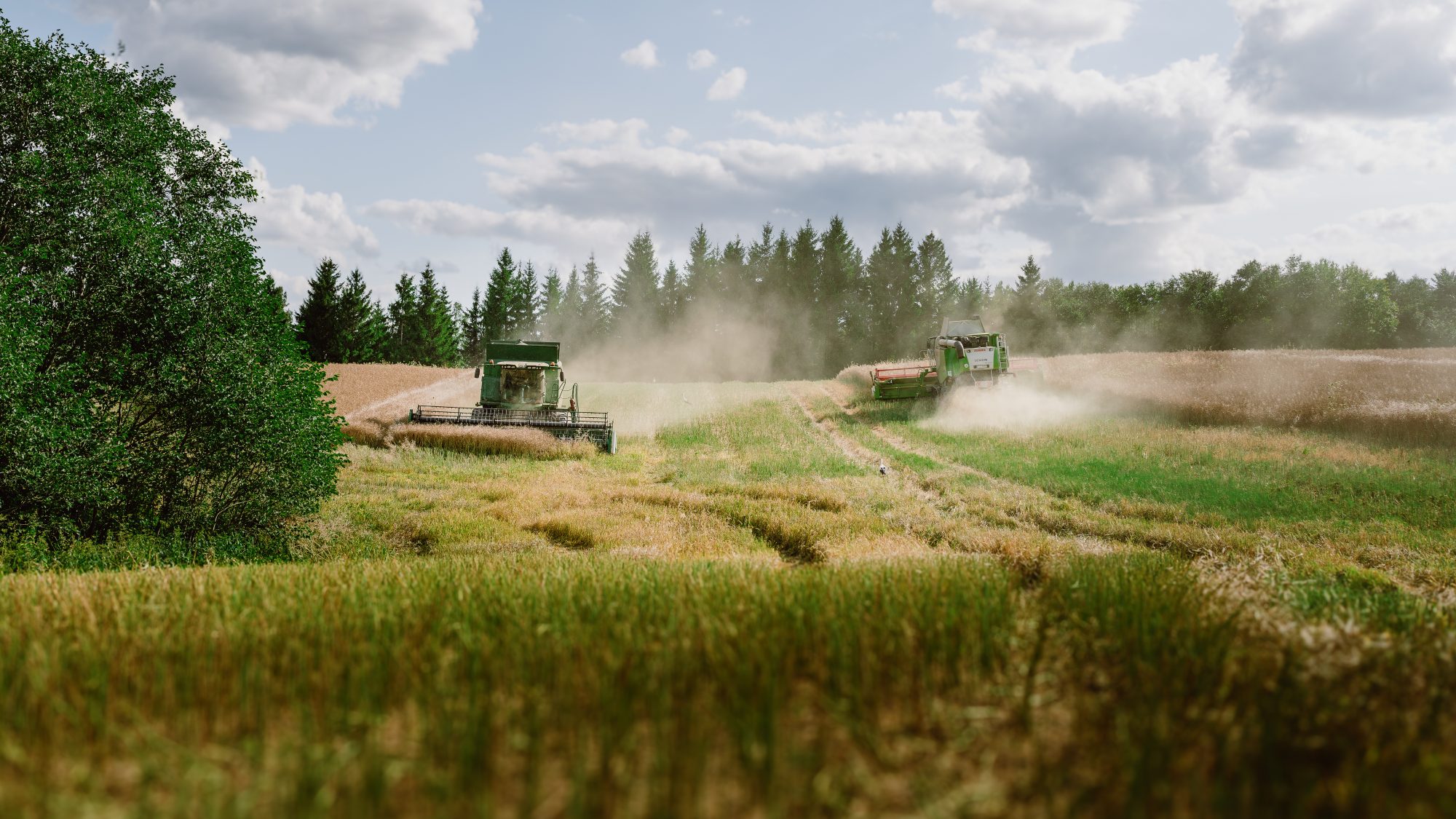

After several years of stuttering progress, the idea that carbon credits can be used to fund regenerative agriculture took a leap forward this week with the release of what might be the largest tranche of farmland credits. In a separate move, a national government announced that it would buy hundreds of thousands of credits from another project developer.
Danish startup Agreena said Monday that the carbon credit registry Verra had verified its work with farmers in 10 European nations, resulting in the release of 2.3 million credits. Farmers earned the credits by deploying regenerative agriculture techniques on close to 4 million acres over the past three years. The methods, including the use of cover crops and reduced tillage, store carbon in soils and reduce emissions from farmland operations. Potential co-benefits include improved yields and better water retention.
Radisson Hotel Group and Ryanair are among 15 companies that have purchased credits, said Simon Haldrup, Agreena CEO and co-founder.
Price points
The news is the latest milestone for a field that previously promised more than it delivered. A flurry of soil carbon startups launched at the start of the decade, but delays ensued after Verra and other registries took longer than expected to approve projects. This May, the U.S.-based project developer Indigo Ag issued 500,000 credits — its fourth annual batch — and said that farmers in its network, which spans 28 states, had stored almost a million tons of carbon dioxide in soils. The following month, Agoro Carbon, another soil carbon startup, announced a deal to deliver 2.6 million credits to Microsoft over a 12-year period.
“Soil carbon and regenerative ag fits the bill with a lot of the corporate buyers,” said Haldrup. “Both from a carbon and integrity perspective, but also from all the co-benefits and a reasonable price point.”
Haldrup declined to share the price of Agreena’s credits, noting that the company is still working to understand the market. Rather than sign long-term offtake agreements, as have become common in other areas of the carbon market, Agreena will be relying on spot market sales in the immediate fu
Read More